Compare 401(k) Rollover Options: Direct vs Indirect, IRA vs 401(k)
Note: General business guidance only—not legal, tax, or financial advice. Verify details with official sources and qualified professionals.
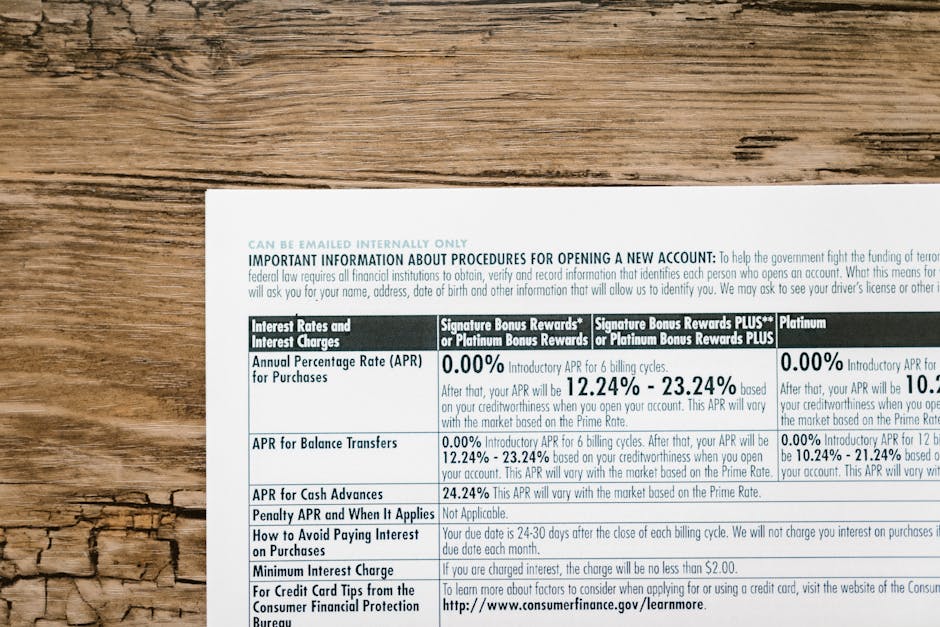
Rolling over your 401(k) can be a smart move, but choosing the wrong option or missing a deadline can trigger taxes and penalties. This guide breaks down the key rollover choices—direct vs indirect, IRA vs new employer plan—so you can compare 401k rollover options with confidence and avoid costly mistakes.
Why the Rollover Decision Matters for Your Retirement Savings
When you leave a job, your 401(k) doesn't automatically follow you. You have several options, and each has different tax implications, investment flexibility, and fees. Understanding these differences helps you preserve your retirement nest egg and avoid unnecessary penalties.
Many people rush the decision, but taking time to compare 401k rollover options can save you thousands in taxes and fees over time. The right choice depends on your financial situation, investment preferences, and future plans.
Here’s what’s at stake: if you cash out your 401(k) instead of rolling it over, the entire balance is treated as taxable income in the year you receive it. If you’re under age 59½, you’ll also face a 10% early withdrawal penalty.
For example, a $50,000 balance could shrink by $15,000 or more after federal taxes and penalties, depending on your tax bracket. By contrast, a direct rollover—where funds move straight from your old plan to a new IRA or employer plan—keeps your money tax-deferred and avoids withholding.
Even an indirect rollover, where you receive a check and deposit it within 60 days, can work, but 20% is withheld for taxes, and you must make up that amount from other funds to avoid a taxable distribution.
Also consider the long-term impact: a rollover preserves your investment growth potential. If you cash out, you lose not only the principal but also years of compounding.
For instance, $50,000 left to grow at 7% annually for 20 years would become roughly $193,000. That’s the difference between a secure retirement and starting over.
Direct Rollover vs Indirect Rollover: Know the Difference
The biggest pitfall in a 401(k) rollover is the indirect method, where you receive the funds personally before moving them to another retirement account. This triggers a mandatory 20% federal withholding and a strict 60-day deadline to avoid taxes and penalties.
In a direct rollover, your old plan administrator transfers the money directly to your new IRA or employer's plan. No taxes are withheld, and you avoid the 60-day rule entirely. This is the safest way to move your retirement funds.
An indirect rollover gives you the money for up to 60 days, but you must deposit the full amount—including the 20% withheld—into a new retirement account within that window. If you miss the deadline, the IRS treats it as a taxable distribution, and you may owe a 10% early withdrawal penalty if you're under 59½.
To avoid these pitfalls, always choose a direct rollover when possible. If you must use an indirect rollover, set up a reminder and have a plan to cover the withheld amount.
Rollover IRA vs 401(k): Which Account Fits Your Goals?
Once you decide on a direct rollover, you need to pick the destination: a Rollover IRA or your new employer's 401(k). Both have pros and cons, and the best choice depends on your investment priorities and fee tolerance.
A Rollover IRA typically offers a wider range of investment options, including individual stocks, bonds, and ETFs. You have full control over fees and can often find low-cost providers.
However, you lose the creditor protection that 401(k)s enjoy under federal law, and you'll need to manage the account yourself.
Your new employer's 401(k) may offer convenience and simplicity, especially if it has low fees and good fund choices. Some plans allow loans, which IRAs do not. But you're limited to the plan's investment lineup, and fees can vary widely.
Compare 401k rollover options by evaluating fees, investment choices, and features like loan provisions. Use the table below to see the key differences at a glance.
| Feature | Rollover IRA | New Employer 401(k) |
|---|---|---|
| Investment options | Broad: stocks, bonds, ETFs, mutual funds | Limited to plan's fund menu |
| Fees | Varies by provider; can be low | Varies; may include administrative fees |
| Loan availability | No | Yes, if plan allows |
| Creditor protection | Limited (state-dependent) | Strong federal protection |
| Management effort | Self-directed | Plan administrator handles |
Step-by-Step: How to Execute a Smooth Rollover
Follow these steps to move your 401(k) without triggering taxes or penalties.
- Check your current plan's rules. Contact your old plan administrator to confirm if you can do a direct rollover and what forms are needed.
- Choose your destination account. Open a Rollover IRA at a provider like Fidelity, Vanguard, or Schwab, or verify your new employer's plan accepts rollovers.
- Request a direct rollover. Fill out the necessary paperwork, ensuring the check is made out to the new custodian, not to you.
- Track the transfer. Confirm the funds arrive in your new account within 30–60 days. If you receive a check, deposit it promptly.
- Review your investments. Once the funds are in, allocate them according to your retirement strategy.
If you're rolling over to a new employer's plan, ask the new plan administrator for their rollover procedures and any required forms.
Common Mistakes That Trigger the 401(k) Withdrawal Penalty
Even a small error can turn a rollover into a taxable event. Here are the most frequent mistakes and how to avoid them.
Missing the 60-day deadline is the most common error. If you take an indirect rollover, you must deposit the full amount within 60 days. The IRS may waive the deadline in certain situations, but you must request a waiver.
Not covering the 20% withholding is another trap. If your plan withholds 20% for taxes, you must make up that amount from your own funds to avoid taxes on the shortfall.
For example, if you have $10,000 in your 401(k), you'll receive $8,000, but you need to deposit $10,000 into your new account.
Rolling over required minimum distributions (RMDs) is also a mistake. If you're over 73, you cannot roll over your RMD amount—it must be taken as a taxable distribution.
To avoid these pitfalls, always use a direct rollover and double-check the details with both plan administrators.
Your Pre-Rollover Checklist: What to Verify Before You Move Funds
Before you finalize your rollover, run through this checklist to ensure a smooth transfer and avoid surprises.
- Confirm your old plan allows rollovers and whether any fees apply. Many plans charge an administrative fee for closing your account, typically $50–$100. Ask for a full fee schedule in writing.
- Decide between a Rollover IRA and your new employer's 401(k) based on fees and investment options. A Rollover IRA often offers a wider range of investments, but a 401(k) may have lower expense ratios if your employer negotiates institutional pricing. Compare the fund menus and fee structures side by side.
- If you choose an indirect rollover, set a calendar reminder for the 60-day deadline. The IRS requires you to deposit the full distribution amount into the new account within 60 days to avoid taxes and penalties. Remember, 20% is withheld from the check, so you’ll need to use other savings to make up the shortfall.
- Verify the new account's beneficiary designations are correct. This is often overlooked but critical: if you pass away, the named beneficiary determines who inherits the funds. Update this information on both the old and new accounts before the transfer.
- Ask about any surrender charges or exit fees from your old plan. Some plans, especially those with annuity products, may impose surrender charges that reduce your balance. Get a written statement of all fees before proceeding.
Taking these steps helps you compare 401k rollover options thoroughly and execute the transfer without penalties. If any detail is unclear, contact your plan administrator or the receiving institution for clarification—don’t guess.
What to Do Next: Finalize Your Rollover and Stay on Track
Once your rollover is complete, review your new account's fees and investment performance annually. Rebalance your portfolio as needed and consider consolidating other old retirement accounts to simplify management.
For example, if you have multiple 401(k)s from previous employers, rolling them into one IRA can reduce paperwork and make it easier to track your asset allocation. Set a recurring annual reminder to check your account statements, compare expense ratios, and adjust your investments if your risk tolerance or time horizon changes.
If you're unsure about any step, consult a tax professional or financial advisor. They can help you compare 401k rollover options based on your specific situation, ensuring you avoid costly mistakes.
For instance, a tax advisor can help you decide whether a Roth conversion makes sense, or whether you should roll over after-tax contributions separately to preserve their tax treatment. Even if you’re confident, a professional review can catch errors like missing the 60-day deadline or misclassifying a distribution.
Finally, keep records of your rollover—including the check, deposit receipt, and any correspondence with the plan administrator—for at least three years. This documentation will be crucial if the IRS questions the tax-free status of your transfer.
Continue with a related guide
This guide continues the same topic thread. Use the button below to open the related article and see the next steps.
Frequently Asked Questions
What is the difference between a direct and indirect 401(k) rollover?
A direct rollover transfers funds directly from your old 401(k) to a new retirement account, so no taxes are withheld and you avoid the 60-day rule. An indirect rollover gives you the money, but your plan must withhold 20% for taxes, and you must deposit the full amount within 60 days to avoid taxes and penalties.
Can I roll over my 401(k) to an IRA without penalty?
Yes, you can roll over your 401(k) to a Rollover IRA without penalty if you do a direct rollover. If you choose an indirect rollover, you must complete the transfer within 60 days and deposit the full amount, including the 20% withheld, to avoid taxes and the 10% early withdrawal penalty if you're under 59½.
What happens if I miss the 60-day rollover deadline?
If you miss the 60-day deadline, the IRS treats the distribution as a taxable withdrawal. You'll owe income tax on the full amount, and if you're under 59½, an additional 10% early withdrawal penalty.
In some cases, the IRS may waive the deadline if you have a valid reason, but you must request a waiver.
Should I roll my 401(k) into my new employer's plan or an IRA?
It depends on your priorities. A Rollover IRA offers more investment choices and potential for lower fees, while a new employer's 401(k) may provide convenience, loan options, and stronger creditor protection.
Compare fees, investment options, and features to decide which fits your retirement goals.


Comments
Post a Comment