[How to Set Up Ebird Account] Common mistakes to avoid — Fewer…
Note: Based on publicly available guides; verify details on official sites.
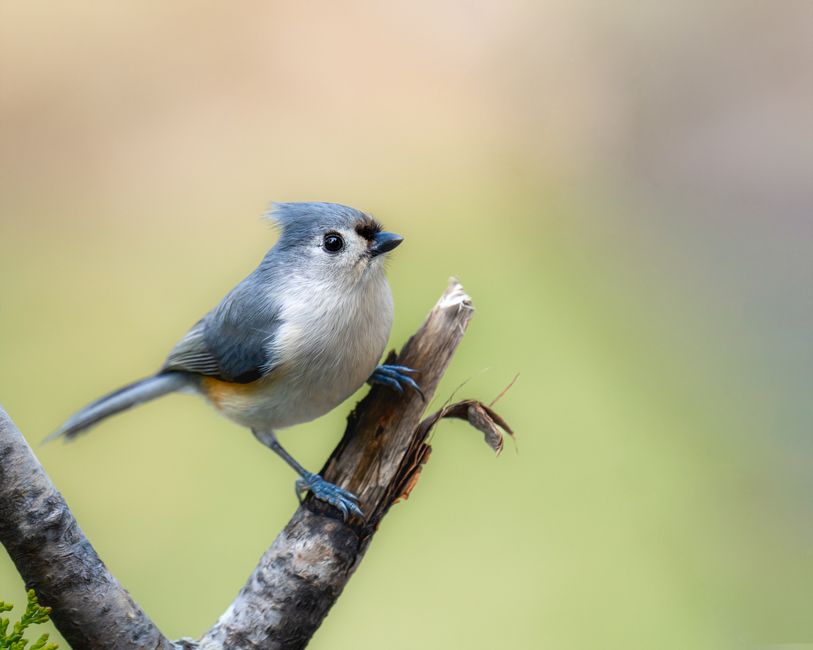
Setting up an eBird account takes about ten minutes and opens the door to Cornell Lab's global bird database. I use eBird on weekend walks and local park visits, and the same Cornell Lab login also powers Merlin Bird ID on my phone.
This walkthrough covers registration, app setup, your first checklist, and what to know before you share data with researchers.
(Updated: 2026.07.21)
Got a question or tip we missed? Share it in the comments below—readers learn best from real experiences.
What Is eBird and Why Does Cornell Lab Citizen Science Need Your Sightings?
eBird is a free checklist platform run by the Cornell Lab of Ornithology where birders record what they see and hear. Each submission adds to a shared dataset that scientists, land managers, and conservation groups use to track bird distribution and population trends.
So your backyard robin count and your trail-side warbler notes both matter — a single checklist can include as few as one species or a full morning's tally, and every row carries date, location, and how long you looked.
You notice birds everywhere but never write them down.
eBird gives that habit a structured home. Observations feed Cornell Lab citizen science projects alongside Merlin, Project FeederWatch, and the Great Backyard Bird Count.
The same account works across all of them, so you are not juggling separate logins when you move from identifying a bird in Merlin to logging a walk in eBird Mobile.
Researchers tap the database for range maps, migration timing studies, and rare-bird alerts — real decisions about habitat protection and survey design ride on what volunteers submit. Many birders start on public lands — national wildlife refuges, state parks, and city greenways.
Planning outdoor time through USA.gov recreation and travel helps you find federal recreation areas where checklist data is especially valuable. Federal sites often host species you will not see in a suburban yard, and under-surveyed spots there can use your first visit.
Gather a working email address, a username idea, and decide whether you will bird mostly on mobile or desktop before you register. eBird account registration runs through the Cornell Lab identity portal, and one login covers eBird, Merlin, and related projects.
If you already have a Cornell Lab account from Merlin or Bird Academy, sign in instead of creating a duplicate.
the prep is light. You do not need binoculars or a field guide to register — but having a preferred birding location in mind helps when you submit your first list. Pick a spot you visit regularly: a park bench, a trail loop, or your own feeder station.
Download the free eBird Mobile app if you plan to log birds in real time. iOS and Android versions sync directly to your web account. Keep your phone charged; GPS tracking for traveling counts uses more battery than a stationary list.
If you bird on federal public lands, check current access and seasonal rules through USA.gov before heading out. Closed trails or permit-only areas affect where you can legally bird and submit data.
Visit eBird.org, choose Create account, and complete the Cornell Lab registration form with your name, username, password, and email. Confirm your email when prompted. That single credential is how to set up eBird account access across every Cornell Lab bird project.
On mobile, open eBird Mobile after install and sign in with the same credentials — or create an account inside the app using the same form fields. Set your display language for bird names and choose metric or imperial distance units during first launch.
Your account profile lives under My eBird on the website. Update your home location, set alert preferences, and review privacy options there. Here is how the main areas fit together:
eBird Account
├── Profile & Preferences (ebird.org/prefs)
├── My eBird (life lists, summaries, rankings)
├── Submit (web checklist entry)
├── Manage My Checklists (edit past lists)
└── eBird Mobile App ├── Start Checklist (field entry) ├── Submitted (synced lists) └── Pack Downloads (regional bird lists)
That said, do not overthink the folder layout on day one. Register, confirm email, and move straight to a short test checklist at a familiar spot.
How Does Merlin Bird ID Setup Connect to Your eBird Lists?
Merlin Bird ID setup uses the same Cornell Lab login, so identifications you confirm in Merlin can flow into eBird without a second registration. Install Merlin from your app store (iOS or Android), sign in with your eBird credentials, and download the bird pack for your region.
Packs are free and keep the species list current for your area — pick your country first, then state or province so Merlin only suggests birds that actually occur near you.
When Merlin suggests a species and you accept it, you can send that sighting to eBird as part of a checklist. This saves retyping species names in the field.
I often Merlin-identify a bird first, then add it to my running eBird Mobile list with one tap. Photo ID and Sound ID work the same way: confirm the match in Merlin, then push the record straight into an open checklist instead of hunting the species picker.
Merlin works offline for identification after packs download — useful when cell service drops on a ridge or inside a dense forest. eBird Mobile checklist submission still needs a cell or Wi-Fi signal to upload.
Plan accordingly on remote trails: build your list locally, then sync when you hit parking-lot service or home Wi-Fi so nothing gets lost.
- Tool — Primary use
- Merlin Bird ID — Photo and sound identification with AI suggestions
- eBird Mobile — Running checklist with counts, GPS, and protocol tracking
- eBird website — Post-trip entry, editing, and data exploration
Start with a stationary checklist at one location rather than a traveling count — it reduces location-pin errors and teaches protocol fields faster. Pick a single park bench or yard corner, set observation type to Stationary, and log every species you can identify by sight or sound for fifteen minutes.
about complete checklists: mark a list complete only when you report every species you could identify, not every bird that exists nearby. Leaving out a bird you recognized but ignored makes the list incomplete.
That distinction affects research quality more than most beginners realize.
Download your regional bird pack in eBird Mobile before leaving home. Searching a five-hundred-species national list on a trail with weak signal is a bottleneck you can avoid entirely.
Use one submission method per outing — either eBird Mobile in the field or the website after you return. Entering the same outing twice creates duplicate records that skew local abundance maps.
Set a personal location pin at places you revisit weekly. Saved hotspots speed up future birding checklist submission and keep your data tied to consistent map coordinates.
Before you apply / consult
Re-read these common missteps before your first submission — they cause more rejected or misleading data than identification errors alone. Ever lost track of which list was complete? This checklist helps.
- Duplicate accounts: If Merlin already uses your email, sign in to eBird instead of registering again. Two accounts split your life list.
- Wrong observation date: Each checklist covers one calendar date. A dawn-to-dusk outing spanning midnight needs two separate lists.
- Location too broad or too narrow: The pin should represent your entire birding activity for that list, not a single feeder unless you stayed there the whole time.
- Mixing protocols on one list: Do not combine a stationary hour at a pond with a separate driving segment on the same checklist.
- Reporting uncertain IDs as confirmed: Use sp. codes (for example, sparrow sp.) when you know the group but not the exact species.
Historical records and personal nature journals held at institutions like the National Archives show how bird observations shaped conservation over decades. Your eBird entries join that long tradition of documented wildlife records, now in a searchable digital form.
The Library of Congress also holds ornithological works and historical field guides worth exploring if you want deeper context on species in your region. Better ID skills mean cleaner data for Cornell Lab researchers.
How Do You Submit Your First Birding Checklist?
Open eBird Mobile, tap Start Checklist, confirm date and time, select a location pin, then add each species with a count before tapping Submit. On the website, click Submit from the top menu, enter date and effort details, then type species in the Jump to Species bar.
Every birding checklist submission requires four core elements: one map location, one calendar date, an observation protocol, and species counts. You will also answer whether the list is complete — meaning you included every species you could identify, not that you detected every bird present.
- Observation type — When to use it
- Stationary — You stayed in one spot for a set period and counted birds from that point.
- Traveling — You walked or drove a route and counted birds along the way.
- Incidental — You noticed birds outside a planned birding session without structured effort.
- Historical — You are entering observations from a past date you recorded elsewhere.
After submission, your list appears under Manage My Checklists on the web and under Submitted in the app. You can edit species counts or add notes anytime. Cornell Lab reviewers may flag unusual records and request additional detail — respond promptly if that happens.
Share your checklist with birding friends by entering their eBird username on the share screen. Shared lists appear on their account without duplicating the underlying research record.
Can You Use eBIRD TEAM INFORMATION for Group Birding Events?
Frequently Asked Questions
Do I need a separate account for Merlin and eBird?
One free Cornell Lab account covers both Merlin Bird ID and eBird. Sign in with the same username and password on each app.
If you created Merlin first, open eBird.org and choose Sign in rather than Create account. That keeps your sightings and life list in one profile.
What does a complete checklist mean on eBird?
A complete checklist includes every species you could identify during that outing, not every bird that was present. If you recognized ten species and reported all ten, mark the list complete.
If you left out a species you knew but chose not to report, mark it incomplete. Honest completeness helps researchers interpret abundance data correctly.
Can I submit a checklist without the mobile app?
Visit eBird.org, click Submit, and enter your location, date, protocol, and species counts in the browser. Many birders enter lists at home after field notes.
Use only one method per outing — do not submit the same birds through both the app and the website.
How do I fix a mistake after submitting a checklist?
Open Manage My Checklists on eBird.org or find the list under Submitted in eBird Mobile. Select Edit Species to change counts, add species, or update comments.
Saved checklists remain editable after submission. For location or date errors, you may need to delete and re-enter the list with correct details.
What is an eBird team account and when should I use one?
A team account is a separate Cornell Lab login created for group events like birdathons. Individual members submit checklists on personal accounts, then share those lists to the team username.
Use this when an event organizer asks for shared lists rather than separate submissions for the same location and time.
Group birdathons and club counts often rely on eBIRD TEAM INFORMATION practices — a dedicated team account that collects shared checklists from individual members. One person submits the official list for each location and time window; teammates share their personal checklists to the team username rather than submitting separate duplicates for the same spot.
Team captains typically create a Cornell Lab account with the team name as first name and Team as last name, then set data privacy preferences to hide the account from public ranking lists. Members bird on personal accounts and use the Share function to send lists to the team username.
That workflow keeps individual life lists accurate while aggregating event totals in one place. If you join a local Christmas Bird Count or a park survey, ask the compiler whether they want shared lists sent to a team account before you submit independently.
You'll thank yourself for confirming the protocol upfront — mixed instructions are the main source of double-counted species during group counts.


Comments
Post a Comment