How Smart Diners Are Using Korea Delivery App Discounts This Summer
How Smart Diners Are Using Korea Delivery App Discounts This Summer

Korea delivery app discounts are reshaping how Seoul eats out
If you live in Korea or visit often, you already know delivery is not a backup plan—it is the default. Between Baemin, Yogiyo, and Coupang Eats, a single lunch order can swing by thousands of won depending on which app you open first. Korea delivery app discounts have become serious household math, not a casual coupon hunt.
I kept mixing up which platform had the better first-order credit until a friend asked me to compare three apps for the same fried chicken shop. Same menu, same address, three different totals. That moment pushed me from passive scrolling into actual deal research—and the gap was wider than I expected.
With the FIFA World Cup kicking off in June 2026, restaurants and apps are rolling out bundled food and drink promotions aimed at group orders and late-night viewing. Major chains are pairing wings, pizza, and beer sets at reduced prices, while independents push limited-time codes through push notifications. If you are planning watch parties in Seoul or ordering from a guesthouse in Busan, timing your order around these event windows can shave real money off a weekend bill.
Which apps actually deliver the deepest cuts
Baemin remains the household name, but Coupang Eats leans hard on membership perks and fast grocery add-ons. Yogiyo still wins certain neighborhood searches where legacy restaurant partnerships run deep. None of them wins every category, which is why comparison matters.
Look for these recurring deal types before you checkout:
- First-order and reactivation credits — often the largest single discount, but usually capped and tied to a minimum spend.
- Time-slot promotions — lunch rush and late-night windows frequently carry 10–20% off select merchants.
- Membership tiers — monthly subscriptions that waive delivery fees can pay for themselves after four or five orders.
- Bank and card partnerships — check your payment app; Korean issuers rotate cashback on specific delivery platforms.
- Bundle codes during sports events — World Cup week has already surfaced combo deals on chicken, pizza, and soft drinks across several national brands.
A BBC report from May 2026 highlighted how easily small daily orders compound: one household logged roughly £1,000 a month on drinks alone through delivery apps. The lesson is not to quit ordering—it is to treat discounts as a budget tool rather than a reason to add extras you would not buy in person.
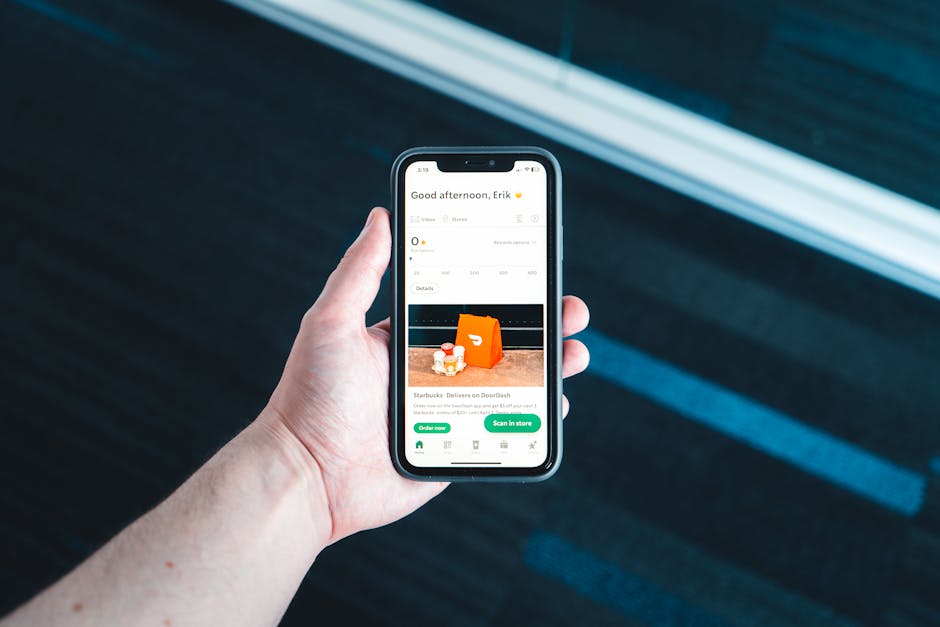
Seoul restaurant deals beyond the big three apps
Not every Seoul restaurant deal lives inside Baemin or Yogiyo. Franchise brands often publish app-exclusive menus, while local cafes run Instagram-first promotions that never hit aggregator home screens. Stripes Korea notes that Coupang—the country's dominant shopping app—also shapes how residents think about bundled savings, and many diners now stack Coupang Eats grocery runs with restaurant orders to avoid a second delivery fee.
HelloFresh's global sales slump, reported in March 2026, reflects a wider shift: consumers still want convenience, but they are pickier about recurring subscriptions. That same skepticism shows up in Korea, where meal-kit fatigue pushed more households back toward on-demand restaurant delivery—with sharper eyes on promo codes.
For grocery savings in Korea, compare Coupang Rocket Fresh against traditional mart apps. Produce quality varies by neighborhood, but flash sales on beverages, snacks, and frozen sides often beat convenience-store markups—especially when you combine a platform coupon with a card offer.

Why the market feels tense right now
Industry news from May 2026 reported that Delivery Hero was courting Naver, Uber, Alibaba, and DoorDash as potential buyers for Korea's leading food delivery business. Corporate drama rarely changes tonight's coupon code, but it signals how competitive margins have become—and why apps keep subsidizing orders to retain users.
For diners, that competition is useful. When platforms fight for market share, limited-time discounts multiply. The trade-off: promo terms change quickly, and yesterday's stackable code may vanish without notice. Screenshot the checkout total when a deal works; it helps if customer service disputes a missing credit.

From discounts to dollars: what a franchise startup cost in Korea looks like
Some readers browsing delivery deals are also weighing the other side of the counter—opening a small food business. Franchise startup cost in Korea varies wildly by brand, but quick-service formats dominate conversation for a reason. The 2025 QSR 50 report underscored how fast-food leaders scale through standardized menus and delivery-ready packaging—exactly the profile that performs well on aggregator apps.
Expect initial investment for a recognized Korean QSR franchise to range from roughly ₩150 million to ₩400 million depending on location, interior build-out, and royalty structures. Independent cafes sit lower on paper but carry higher risk on discovery; without app visibility or walk-in traffic, marketing spend replaces some of that saved franchise fee.
Home cafe recipes Korea enthusiasts sometimes test menu items at home before committing capital—a sensible path when signature drinks or dessert lines need refinement. A small Instagram following can validate demand before you sign a lease in Hongdae or Gangnam, where rent alone can dwarf equipment costs.

Practical habits that keep savings consistent
Tax Day-style promotional waves in other markets—free items, percentage discounts, and bundled relief menus—show how seasonal calendars drive food deals globally. Korea's apps follow a similar rhythm around holidays, exam season, and major sporting events. Mark those windows on your calendar instead of checking apps randomly at 11 p.m.
NBC News' February 2026 meal-kit roundup reminded readers that the best service depends on cooking skill, dietary needs, and how often you actually want to reheat leftovers. The parallel for delivery: the "best" app is the one that matches your neighborhood merchant list and your typical order size, not the one with the loudest banner ad.
Quick checklist before you tap pay:
- Compare the same cart on two apps when the order exceeds ₩20,000.
- Remove impulse add-ons that erase the discount value.
- Confirm whether delivery fee waivers apply to your address—not just your account.
- Watch for auto-renewing memberships you forgot after a trial month.
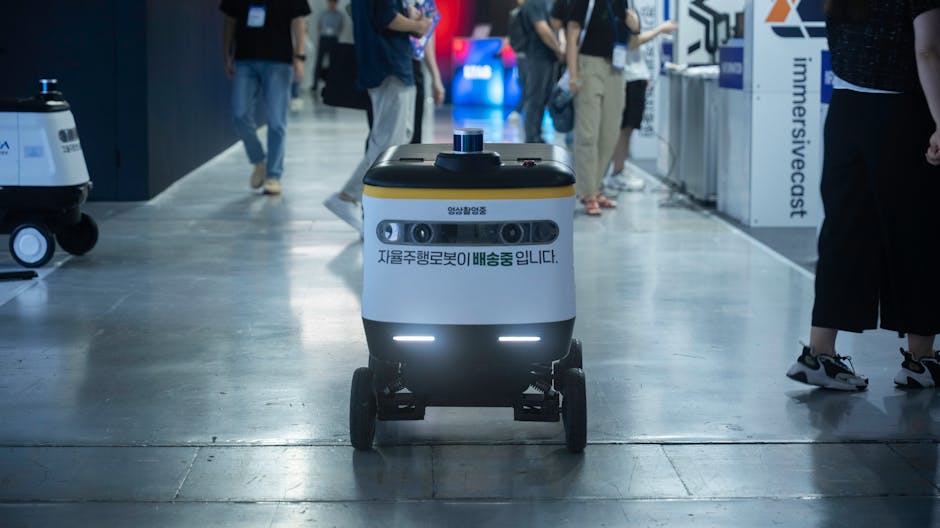
Where food and beverage deal searches go next
Whether you are feeding a World Cup crowd, stocking a pantry through Coupang, or sketching a modest franchise plan, the through-line is the same: Korea's delivery economy rewards people who compare before they commit. Veterans Day-style free-meal traditions elsewhere also prove how time-bound food promotions move traffic—Korea's app ecosystem just runs that playbook weekly instead of annually.
If your next step is narrowing Seoul restaurant deals for a specific cuisine or mapping grocery savings Korea platforms side by side, treat each order as a small research task. The discounts are already there; the diners who capture them simply look twice before checkout.


Comments
Post a Comment