Franchise Startup Cost Korea: What Food and Beverage Operators Actually Pay in 2026
Franchise Startup Cost Korea: What Food and Beverage Operators Actually Pay in 2026
If you have been comparing Seoul restaurant deals while scrolling delivery apps at midnight, you are not alone. I kept mixing up promotional menus with actual operating math until a friend asked me whether buying into a branded café was cheaper than building something independent. That question sent me down a rabbit hole of disclosure documents, rent deposits, and the quiet gap between headline franchise fees and the number that actually leaves your account.
Understanding franchise startup cost Korea matters because the food scene here moves fast. Coffee prices climbed at convenience stores and hotel buffets through early 2026, yet ingredient relief arrived too—CJ Cheiljedang announced an additional 5% flour price cut that bakery chains passed along to franchisees. Domestic coffee brands face saturation pressure, with operators like Mammoth Coffee drawing private equity interest and expansion plans toward Japan. The market is crowded, but entry costs vary more than most brochures suggest.
Before you sign anything, treat the franchise fee as one line in a much longer spreadsheet. International headlines about Chipotle or Olive Garden entering new markets remind us that global brands carry heavy build-out expectations. Korea's own regulatory framework, updated under 2026 franchise law guidance, requires franchisors to disclose startup ranges, ongoing royalties, and supply obligations. Those disclosures are your starting point—not your final budget.
What the Law Requires Franchisors to Tell You
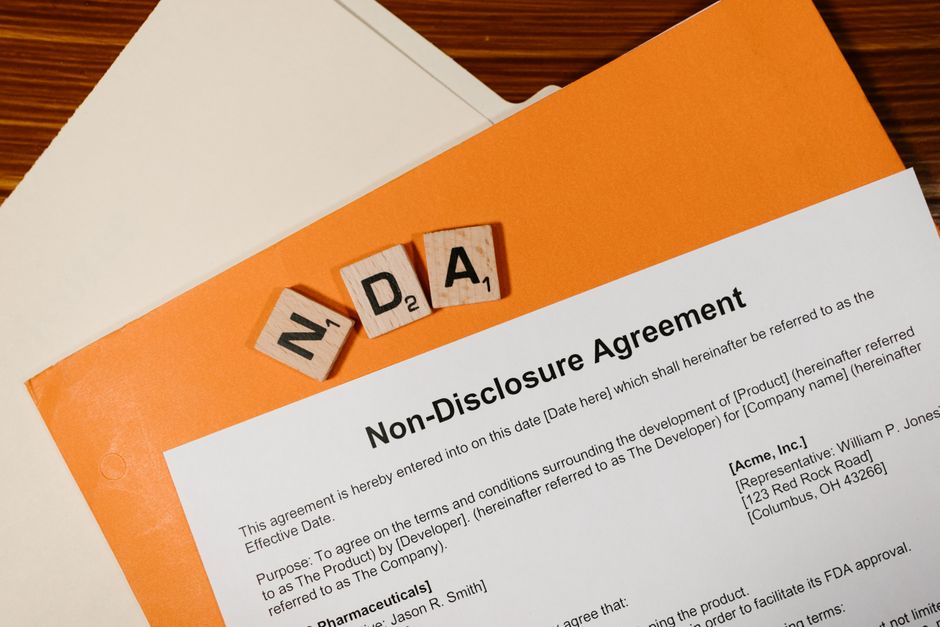
Korea's franchise regulations exist precisely because information asymmetry hurts small operators. Under current rules, a food franchisor must provide a disclosure document covering initial fees, estimated equipment costs, training charges, and typical monthly sales data from existing units. You should receive this at least 14 days before any deposit.
Key disclosure items to verify:
- Initial franchise fee and brand licensing terms
- Interior build-out estimates per square meter
- Mandatory equipment packages and supplier lists
- Royalty percentages and marketing fund contributions
- Minimum contract length and renewal conditions
- Historical average revenue for comparable locations
Read the fine print on supply chain lock-in. When flour prices drop because a major miller cuts wholesale rates, franchisees tied to central purchasing may see savings slowly—or not at all if contracts fix margins. Independent bakeries sometimes react faster than large chains, which affects how you model food cost volatility over a five-year lease.
Typical Cost Ranges for Coffee, Bakery, and Quick Service
Exact figures depend on brand tier and neighborhood, but experienced operators share recognizable patterns. A compact coffee kiosk in a secondary district might start around ₩150–250 million all-in, while a flagship café on a high-footfall corridor can exceed ₩400 million once seating, HVAC, and signage meet brand standards.
Bakery franchises sit in a similar band, though ingredient savings from supplier price cuts can improve unit economics after year one. Quick-service chicken, rice bowl, or dessert concepts often advertise lower entry points—sometimes under ₩100 million for smaller formats—but mandatory renovation cycles and equipment upgrades add hidden layers.
Compare that with international benchmarks when you need perspective. Indian market coverage of café franchises under roughly ₹20 lakh (about ₩30 million) shows how emerging markets compress build costs through smaller footprints. Chipotle-style full-service formats abroad routinely demand multimillion-dollar commitments. Korea sits between those extremes: labor and rent in Seoul rival mid-tier global cities, yet supply chains for staples remain efficient.

Beyond the Franchise Fee: Where Money Disappears
A friend asked me why her quoted ₩80 million franchise fee ballooned to nearly triple that figure at opening. The answer lived in categories the brochure summarized in a single row labeled "miscellaneous."
Common post-signing expenses include:
- Key money or premium rent deposits—often the largest cash outlay in popular districts
- Architectural compliance and fire safety certification
- POS systems, CCTV, and delivery platform integration fees
- Initial inventory and packaging branded to spec
- Staff training wages during soft opening weeks
- Working capital buffer for slow first-quarter traffic
Food price inflation across coffee, convenience goods, and dining out in early 2026 made working capital more important than many first-time owners budgeted. Plan at least three months of operating expenses in reserve, not just the franchisor's minimum recommendation.

Domestic Saturation and the Overseas Expansion Signal
When Korean coffee franchises push into Japan and Southeast Asia while private equity buys established domestic brands, it signals something worth noting at home: the easy growth window on familiar streets may be closing. Saturation does not kill opportunity, but it changes location strategy. Suburban hubs, transit-adjacent micro formats, and hybrid pickup-only models increasingly outperform traditional street-front cafés competing with five identical concepts within 200 meters.
Ask franchisors how many units they opened versus closed in the past 24 months. Net store count tells you more than a glossy expansion map. Brands exporting abroad successfully may still offer solid domestic support—but prioritize territories where they defend franchisee margins, not just brand visibility.
Is Franchising Cheaper Than Going Independent?
Not automatically. You trade creative control for a tested menu, supplier negotiations, and marketing templates. Independent operators skip royalties—often 3–7% of gross sales plus 1–2% marketing levies—but pay full price for brand building and recipe development.
Run two scenarios on the same square footage. Scenario A: branded franchise with disclosed startup package. Scenario B: independent concept with equivalent equipment and fit-out. Include royalty outflows over 60 months in Scenario A. Include higher initial marketing and higher menu R&D cost in Scenario B. Whichever wins on paper should also pass a stress test with 20% lower-than-projected sales for the first year.
Grocery savings Korea strategies—bulk purchasing co-ops, seasonal ingredient swaps—benefit independents slightly more. Franchisees gain purchasing scale on core inputs but lose flexibility. Neither path is universally cheaper; alignment with your operational skill matters more.

Financing, Eligibility, and the Application Path
Most Korean banks evaluate franchise proposals differently from greenfield restaurants. A recognized franchisor brand can improve loan terms because underwriters model against disclosed average unit economics. Expect to contribute 30–40% equity from personal savings or family capital; government-backed small business programs may supplement qualifying applicants.
The typical process runs: initial inquiry, disclosure review, territory approval, lease confirmation, loan application, training completion, then grand opening. Budget four to eight months from first meeting to first customer, depending on renovation complexity. Parallel-track your lease negotiation with financial approval—delays on either side cascade.
Some operators reduce risk by master-franchise sub-licensing in secondary cities, though food and beverage categories more commonly involve single-unit contracts. Clarify exit terms upfront: transfer fees, de-branding costs, and equipment buyback rules determine whether you can recover capital if the location underperforms.

Quick Summary: Franchise Startup Cost Korea Essentials
- Total investment usually runs 2–4× the advertised franchise fee once rent deposits, build-out, and working capital are included.
- 2026 disclosure rules require detailed startup cost ranges—use them to compare brands apples-to-apples before paying any deposit.
- Coffee and bakery formats dominate the market, with domestic saturation pushing brands overseas while ingredient costs fluctuate.
- Location and lease terms often matter more than brand name for first-year survival.
- Model royalties and mandatory supply costs across five years, not just opening month excitement.
Where to Go From Here
Franchise startup cost Korea figures make sense only in context: your target neighborhood, format size, and tolerance for brand rules. Request disclosure documents from three comparable concepts, build a unified spreadsheet, and stress-test each against slower sales and higher ingredient spikes like those seen across the sector in early 2026.
If you are still browsing, pair this research with practical savings habits—Korea delivery app discounts and Seoul restaurant deals can teach you which cuisines draw repeat orders in your preferred district. That consumer-side homework complements the franchisor paperwork and leaves you better prepared when it is time to commit real capital to a food and beverage operation.


Comments
Post a Comment