How to Find Real Online Shopping Discounts in Korea Without Overpaying
How to Find Real Online Shopping Discounts in Korea Without Overpaying

If you have ever opened three browser tabs and still felt unsure whether you were getting a fair price, you are not alone. Online shopping discounts Korea shoppers rely on today are spread across beauty chains, fashion platforms, and cross-border marketplaces—and the best deal rarely sits in one obvious place. A spring beauty event at Olive Young might beat Amazon on serum pricing, while Musinsa runs hot during holiday weekends when international visitors flood flagship stores and app checkout flows alike.
That split is exactly why comparison matters before you buy. Retailers in Seoul and beyond have sharpened their promotional calendars in 2026, with weeklong sales, member-only coupons, and app-first flash offers that do not always mirror what global shoppers see on US or European storefronts. Understanding where those gaps appear—and how duty-free refunds and loyalty points stack on top—is the difference between a good haul and an expensive lesson.
Why Korean Retail Prices Still Surprise Global Shoppers
Travel guides and buyer roundups this year highlight dozens of popular brands that cost noticeably less when purchased locally or through Korea-based channels. K-beauty staples at Olive Young, fashion labels on Musinsa, and household names across department-store apps often land below equivalent listings abroad once you account for currency and shipping. The Zoe Report noted in May 2026 that shopping for K-beauty at Olive Young got easier for international customers, reflecting smoother checkout, clearer English product pages, and better access to the same promotions locals receive.
I kept mixing up “on sale globally” with “on sale in Korea” until I started checking app notifications side by side. A product marked down on Amazon’s spring sale—widely covered in March 2026 roundups from Glamour and USA Today—can still lose to a Olive Young spring beauty sale bundle that includes travel minis and double loyalty points. Neither price is fake; they just serve different audiences.
Platforms Worth Watching in 2026
Olive Young remains the anchor for skincare and cosmetics. Beyond seasonal events like the weeklong spring sale reported by The Korea Herald in February, the chain layers member tiers, first-purchase coupons, and app-exclusive flash windows. If your cart includes multiple K-beauty items, waiting for a coordinated event usually beats stacking random coupon codes from social media.
Musinsa tells a different story—streetwear and contemporary labels with strong pull among tourists. The Korea Times reported in May 2026 that international visitors drove a sales surge at Musinsa stores during a holiday rush, a signal that in-store pickups and app promotions were aligned rather than competing. For fashion-heavy carts, checking whether a physical pickup unlocks extra discount tiers can change the total materially.
Cross-border marketplaces still matter. Amazon’s spring sale drew editor-curated K-beauty lists from Who What Wear and Harper’s Bazaar, including major markdowns on brands favored by high-profile buyers. That path wins on familiarity and fast shipping to non-Korean addresses, but per-unit pricing on single items—not bundles—can trail local apps once you add import fees.
Duty-Free Refunds and Who Actually Qualifies
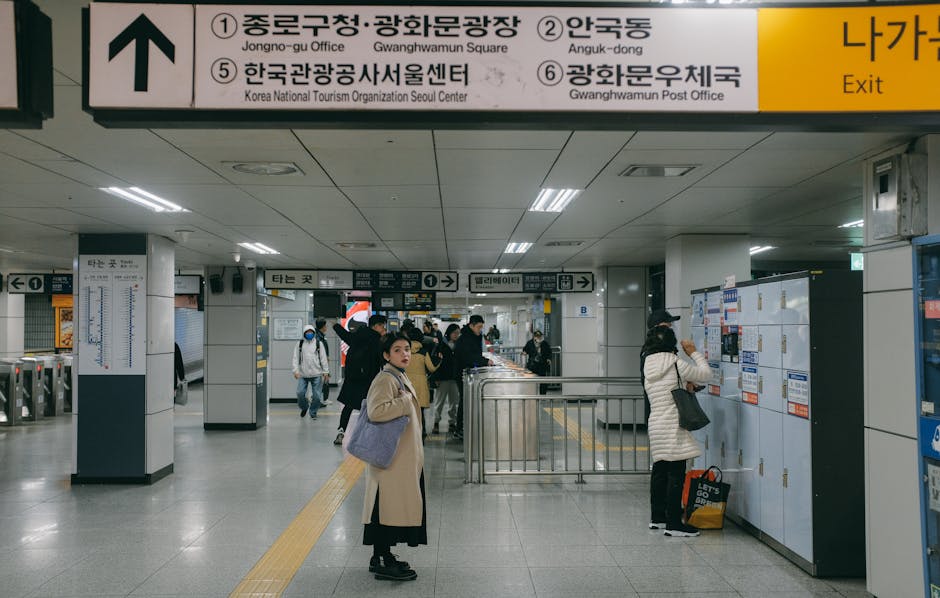
Short-term visitors often hear about Korea duty-free refund programs at checkout and assume every online order qualifies. In practice, eligibility hinges on residency status, purchase channel, and whether the retailer participates in the tax refund network. Physical departures from Korean airports still anchor most refund workflows; some online merchants offer pre-export documentation, but the process is not universal across apps.
A friend asked me whether buying online and collecting at the airport was always cheaper than grabbing items downtown. Sometimes yes—when the app price already reflects a promotion and the pickup location is inside a duty-free zone. Other times, downtown Olive Young or department-store counters beat the airport shelf after refund math. The honest answer is to run both numbers with your departure date and passport category in mind, not to treat “duty-free” as a automatic win.

Loyalty Points Korea Shoppers Treat Like Cash
Points systems here behave more like stored value than vanity metrics. Olive Young, Lotte ON, and several fashion apps let you redeem on the next order, stack with select coupons during member weeks, and occasionally multiply earnings during holiday campaigns. If you visit even once a year, creating accounts before a sale window often pays for itself—welcome bonuses and birthday vouchers show up quietly in notification centers.
- Check whether points expire; some tiers reset annually.
- Compare “pay with points” caps—large carts may only allow partial redemption.
- Watch for double-point days that coincide with free-shipping thresholds.
Secondhand market Korea platforms such as Bunjang and Joongna sit adjacent to primary retail. They are not discount codes in the traditional sense, but limited-edition drops and sold-out shades frequently reappear at softer prices. For collectors, that secondary layer completes the picture when official stock clears during a flash sale.

Timing Events Without Chasing Every Banner
Retail apps across East Asia share promotional rhythms—seasonal resets, pay-day weekends, and holiday spikes—even when specifics differ by country. Japan’s shopping apps, for example, lean heavily on timed lotteries and login bonuses, a pattern worth noting if you already follow regional ecommerce statistics showing mobile-first buying growth worldwide. Korea’s calendar tends toward clearer percentage-off windows and brand collaborations, which suits planners who prefer known start and end dates.
Mark three anchors on your calendar: spring beauty (February through April), summer travel prep (May through June), and year-end gifting (November through December). Musinsa’s tourist-driven surges and Olive Young’s weeklong events cluster around those peaks. Missing a random Tuesday banner hurts less when you are aligned with the heavy weeks.

Cross-Border Shopping Korea: When It Beats Staying Local
Not every buyer can fly to Incheon this month. Cross-border shopping Korea strategies—forwarding services, global storefronts, and curated export shops—fill the gap. The trade-off is transparency: shipping, customs, and return policies sit on your side of the ledger. Amazon’s spring K-beauty features made sense for readers who wanted Hailey Bieber–adjacent serums without navigating Korean-only checkout flows, even if unit economics favored domestic buyers.
Before you commit, list what you optimize for: lowest shelf price, fastest delivery, refund simplicity, or bundle extras. That single preference filters noise fast. I stopped bookmarking every influencer haul once I wrote those four priorities on a sticky note—sounds silly, but checkout regret dropped sharply.

Quick Summary: Online Shopping Discounts Korea
- Compare Olive Young, Musinsa, and global marketplaces on the same basket; the winner shifts by category and season.
- Duty-free refund paths depend on residency and pickup channel—run the math instead of assuming airport prices win.
- Loyalty points Korea programs can offset shipping or unlock member-only coupons during holiday sales.
- Spring 2026 brought coordinated beauty events locally while Amazon’s spring sale served international K-beauty demand—neither replaces the other.
- Secondhand markets and cross-border options extend savings when primary retail stock sells out during tourist-heavy weekends.
Putting It Together Before You Pay
Online shopping discounts Korea offers in 2026 reward patient comparison more than impulse clicks. Build a short list of trusted platforms, note your eligibility for tax refunds, and align purchases with documented sale windows rather than endless scroll sessions. The ecosystem is genuinely competitive—international tourists are already influencing Musinsa sell-through, Olive Young is smoothing access for overseas buyers, and global retailers are racing to stock the same K-beauty labels at promotional prices.
When you are ready to move from research to checkout, compare one realistic cart across two channels and include fees, points, and refund potential in the total. That habit surfaces the real bargain faster than chasing every headline sale. Save your sizing notes and shade confirmations first; the discount will still be there if the fundamentals check out—and if it is not, you will know exactly which alternative cart to open next.


Comments
Post a Comment