Check Tax Refund Status Online: Fast and Easy Ways to Track Your…
Note: Based on publicly available guides; verify details on official sites.
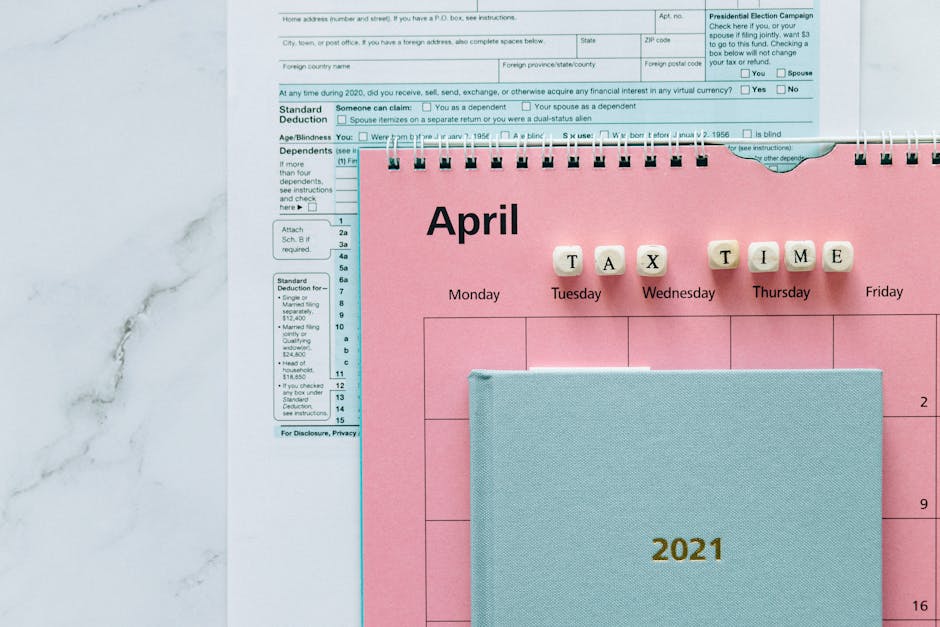
Before you start, follow this plain-English walkthrough for how to check your tax refund status online and confirm the latest steps on the official site. Waiting for your tax refund can feel like an eternity. Fortunately, the IRS makes it simple to check your tax refund status online using their official tools.
This guide walks you through every step, from gathering the right information to tracking both federal and state refunds. Whether you filed early or just recently, you’ll know exactly what to expect.
After reading this guide, you will know how to set up check tax refund status in under an hour and adjust it week by week without over-scheduling your calendar.
Phase 1: Gather What You Need Before You Check
Before you dive into any online tracker, have your tax return details ready. You’ll need your Social Security Number, the exact refund amount shown on your return, and your filing status. Without these, the system can’t verify your identity.
I always keep a copy of my tax return handy. You’ll also need to know the tax year you’re checking—most people look for the current year, but prior returns are available too.
If you filed jointly, enter the primary filer’s SSN first. If you’re expecting an email from the IRS about your refund, make sure to check your Spam or Bulk Mail folders—important messages sometimes land there.
Phase 2: Use the IRS Where’s My Refund Tool
The IRS Where’s My Refund tool is the fastest way to get an update. It updates once every 24 hours, usually overnight. You can access it on the IRS website or through the official IRS2Go mobile app.
Enter your SSN, filing status, and refund amount. The tool then shows one of three statuses: Return Received, Refund Approved, or Refund Sent.
Pro tip: You can start checking as early as 24 hours after e-file or 4 weeks after mailing a paper return. Don’t worry if you see “Return Received” for a while—that’s normal during processing.
If you’re having trouble accessing the tool, it might be a temporary problem—try again later or use the IRS2Go app instead.
Phase 3: Understand Your Refund Status Codes
When you check your tax refund status, the system explains each stage. “Return Received” means the IRS has your return but hasn’t processed it yet.
This stage can last up to 21 days for e-filed returns. “Refund Approved” means your refund is scheduled, and you’ll see a direct deposit date or mail timeline.
“Refund Sent” confirms the money has been issued, and direct deposits typically arrive within a few business days.
If you see any other message, like “Still Processing” or “Tax Topic 152,” it usually means a delay or a small fix needed. For more details, visit the Refunds – Internal Revenue Service page.
It explains common messages and how long each phase typically takes. Think of it like checking a refund status on Google Store—you get clear stages, but the IRS version is tailored to your tax return.
Phase 4: What to Do If Your Refund Is Delayed
Common reasons for tax refund delay include errors on your return, incomplete information, or identity verification issues. If it’s been more than 21 days after e-file (or 6 weeks after paper filing), it’s time to investigate.
First, double-check your return for mistakes. Then, use the USA.gov check tax status page for additional help, including state refunds.
If the IRS needs more info, they’ll mail a letter—respond promptly. If you need to update your direct deposit information, you can’t do that online; you’ll have to wait for a letter or call the IRS.
The Google payments center is a different system entirely, but it’s a good example of how online refund tracking should work—unfortunately, the IRS still relies on mailed correspondence for some updates.
I’ve personally waited over two months once because of a simple math error. Using the tool kept me sane—knowing the exact status helped avoid unnecessary calls. The IRS phone lines are notoriously busy, so the online tracker is your best friend.
Before You Apply: Common Mistakes That Delay Refunds
After checking your status many times, I’ve learned a few tricks. File electronically and choose direct deposit. That cuts weeks off the processing timeline. Also, check the IRS’s published tax refund processing timeline—it varies each year and is posted online.
Never check more than once a day; the system updates overnight. And if you’re tracking a state refund, use your state’s equivalent of Where’s My Refund.
Many states have their own portals, and the timelines differ from the federal one. For example, some states begin processing later, and after they inspect your return, a refund can take anywhere from 1 to 14 business days—similar to how Google Store refunds work after they receive your item back.
Check your state’s FAQ for exact timelines.
How to Track Your State Tax Refund
You already filed, but these errors can slow things down. An incorrect SSN, wrong bank account number, or misspelled name are top reasons for delays.
Also, if you claimed credits like the Earned Income Tax Credit (EITC), the IRS must hold your refund until at least mid-February by law—so don’t panic if it takes longer.
Before calling, recheck your return. Use the IRS’s online account to view your tax records for free—it’s like having your own dashboard, similar to how Google Play lets you request a refund review.
If you need a transcript, you can request one through the USA.gov check tax status page—but that’s more for future reference than refund tracking. And if you’re in a situation like canceling a Google One membership, the refund process here is different: in most cases, you’ll just wait for the IRS to process your return as-is.
To how to track state tax refund , visit your state’s department of revenue website. Many states have a “Where’s My Refund” tool similar to the IRS version.
Processing times can differ: for example, some states begin processing later than the federal government, or they mail refunds separately. If the state portal is down, it might be a temporary problem—try again later.
I always check both the federal tool and my state’s portal. It’s easy to confuse the two timelines, so keep them separate.
If your state doesn’t offer online tracking, call their taxpayer service number. The USA.gov check tax status page also lists links to each state’s refund site, making it easy to find the right portal for your location.
Use the official links below to verify requirements for your situation.
View official guideFrequently Asked Questions
Where do I check IRS refund progress after e-file?
Check IRS refund progress on the official Where's My Refund page after e-file acceptance. Enter your SSN, filing status, and exact refund amount, then wait up to 24 hours for the first progress status.
Follow the agency's published screens in order and keep any confirmation number. If a field is unclear, use the form's help text rather than a third-party summary.
Why does the tracker still say received with no deposit date?
If the tracker still says received with no deposit date, the IRS is still processing your return. Keep the tracker open daily, confirm bank routing numbers, and watch for identity letters before treating the missing deposit date as a problem.
What personal details should I gather before opening the refund tracker?
Gather these personal details before opening the refund tracker: Social Security number, filing status, and the exact refund amount from your accepted return. Wrong cents in those personal details will block the refund tracker lookup.
What if the IRS tool and my tax software disagree on timing?
When the IRS tool and tax software disagree on timing, trust the IRS tool for deposit timing. Tax software estimates lag; save the IRS tool status text plus your e-file acceptance timestamp for comparison.
After the status shows sent, what should I confirm next?
After the status shows sent, confirm the bank account ending digits and the deposit window next. If money is missing after that sent status window, contact the bank with the IRS refund reference from the status page.
Follow the agency's published screens in order and keep any confirmation number. If a field is unclear, use the form's help text rather than a third-party summary.
Official References for Check Tax Refund Status Online
This guide draws on current public guidance from the source listed here.
- See IRS for current official requirements.
Official criteria may update — double-check each source before you rely on it.
(Updated: 2026.07.28)
Got a tip for tracking a tax refund faster—or a status screen that confused you? Share it in the comments below—readers learn best from real experiences.


Comments
Post a Comment