Hybrid Fuel Economy Comparison: Which 2026 Models Save the Most on Gas?
Hybrid Fuel Economy Comparison: Which 2026 Models Save the Most on Gas?

This article offers general information for US car shoppers and is not legal, tax, or financial advice. Verify figures with official EPA labels and your own driving habits before buying.
If you are cross-shopping hybrids against gas-only cars this summer, you are not alone. Gas prices have swung enough in 2026 that a large SUV like the Chevy Suburban now costs roughly $1,500 more per year to fuel than it did in January, according to recent industry tracking. That kind of jump pushes a lot of drivers toward hybrids—but the payoff depends on the model, your mileage, and what you pay upfront.
Before you fixate on MPG alone, remember that total ownership cost includes more than the pump. Many buyers compare auto insurance rates side by side when switching vehicle classes, and a hybrid trim can shift your premium depending on repair costs and safety ratings. If you are financing, auto loan rates by credit score still matter as much as fuel savings; a slightly higher payment on a hybrid only makes sense once you run the full math.
How the EPA Measures Hybrid MPG—and Why Your Results May Differ
Side-by-Side Comparison: Hybrid Fuel Economy Comparison
| Factor | What to Compare | Why It Matters |
|---|---|---|
| Price / cost | Upfront and recurring fees | Get 2–3 quotes in writing |
| Terms | Contract length, cancellation | Avoid auto-renew traps |
| Fit | Matches your situation | Skip bundled extras you will not use |
The U.S. Environmental Protection Agency publishes combined, city, and highway figures on every new-car window sticker. Hybrids often look strongest in stop-and-go city cycles, where the electric motor handles low-speed work. Highway cruising tells a different story: some hybrids barely beat their gas siblings, while others stretch past 50 mpg combined.
I kept mixing up “combined” and “real world” until I started logging fill-ups for a month. EPA numbers are standardized for comparison, not a promise. Cold weather, roof racks, and aggressive acceleration can shave 10–15% off the label without anything being wrong with the car.

2026 Standouts: Japanese Brands and EPA Leaders
Recent roundups pitting Subaru, Toyota, Honda, and Mazda hybrids against each other show Toyota still leading many efficiency charts, with Honda close behind on compact crossovers. Subaru’s latest hybrid trims have closed gaps in all-wheel-drive segments where traditional AWD gas models bleed fuel. Mazda hybrids tend to prioritize driving feel over absolute MPG, which shows up in the annual cost column even when sticker prices look similar.
Forbes highlighted several 2026 EPA leaders across segments, from subcompacts to midsize sedans. Consumer Reports flagged about a dozen hybrids that return the most money at the pump—and a handful that disappoint relative to their price premium. Worth noting: Car and Driver has pointed out that several modern gas-only compacts now post strong highway numbers, so “hybrid or nothing” is not always the right frame.

Annual Fuel Cost Math for US Drivers
Here is a practical way to estimate annual fuel spend without overthinking it:
- Step A: Take your yearly miles (US average is roughly 13,500).
- Step B: Divide by the vehicle’s combined MPG.
- Step C: Multiply by your local price per gallon.
Using $3.50/gallon and 13,500 miles, a 30 mpg gas SUV burns about $1,575 in fuel. A 45 mpg hybrid cuts that to roughly $1,050—a $525 annual gap. Stretch that over five years and you are looking at $2,625 before inflation. Kelley Blue Book’s 2026 hybrid-versus-gas analysis suggests many mainstream hybrids need three to six years of ownership to recover a typical upfront premium, depending on trim and incentives.
At today’s volatility—oil markets have hit US drivers hard in early June 2026—those breakeven windows shrink when gas spikes and widen when prices ease. That is why a side-by-side table beats a gut feeling.
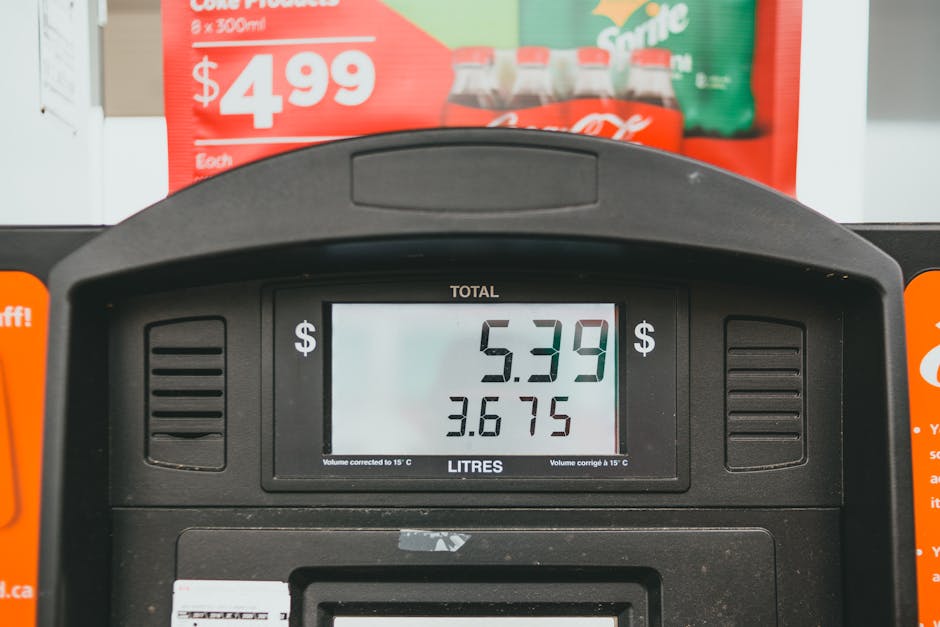
Sample MPG and Annual Fuel Cost Comparison (13,500 mi @ $3.50/gal)
Model type (illustrative 2026 EPA combined figures)
- Toyota Prius / similar compact hybrid (~57 mpg): ~$830/year
- Honda CR-V Hybrid (~40 mpg): ~$1,180/year
- Subaru Crosstrek Hybrid (~35 mpg): ~$1,350/year
- Gas midsize SUV (~25 mpg): ~$1,890/year
- Large gas SUV (Chevy Suburban class, ~18 mpg): ~$2,625/year
The spread between a top-tier hybrid and a full-size gas SUV can exceed $1,700 per year at current pump prices—enough to cover a family vacation or a year of maintenance on a smaller car.

Four Checks Before You Sign (Washington Post–Style Shopping List)
A friend asked me whether the hybrid badge alone guaranteed savings. It does not. Run through these before you commit:
- Compare the exact trim: Hybrid premiums vary wildly; a base gas model plus efficient driving sometimes beats an expensive hybrid on total cost.
- Read the EPA label in person: The government’s gasoline label breaks out electricity use for plug-in hybrids separately from standard hybrids.
- Factor maintenance: Most hybrids need familiar service intervals, but battery warranty length differs by brand—check the fine print.
- Test your commute: Short city hops favor hybrids; steady 75 mph highway miles favor aerodynamic gas compacts.

Where Warranties and Tax Credits Fit In
Hybrids share the road with EVs in many shoppers’ minds, but the incentive picture differs. The IRS administers federal clean-vehicle credits, and some plug-in hybrids still qualify while standard hybrids generally do not. An EV tax credit eligibility guide is worth reviewing if you are torn between a Prius Prime–class PHEV and a full battery-electric model.
Extended coverage is another line item people skip. An extended car warranty cost comparison between hybrid and gas powertrains can reveal higher component prices on certain battery-adjacent systems, though factory hybrid battery warranties often run 8–10 years. A used car extended warranty cost quote makes sense if you are buying a 3–5-year-old hybrid with miles left on the original pack warranty.
Gap insurance worth it guide scenarios apply too: if you finance a pricey hybrid trim with little down, gap coverage matters the same as on any new vehicle—the fuel savings do not shrink your loan balance if the car is totaled.

Insurance and Financing: The Hidden Spreadsheet Rows
When you compare car insurance quotes online, list the same coverage limits for each VIN you are considering. Hybrids with advanced driver aids sometimes earn discounts; others cost more to repair after a minor collision. Either way, a $200–$400 yearly premium swing can erase modest fuel savings.
Loan terms interact the same way. Auto loan rates by credit score in 2026 remain sensitive to Fed policy and lender appetite. A 60-month note on a $32,000 hybrid at a higher APR can cost more in interest than you save at the pump during the first three years. Run both columns—fuel and finance—on the same spreadsheet.

Gas-Only Surprises in 2026
Not every efficient car wears a hybrid badge. Several gas compacts and turbocharged fours now land near 35–40 mpg highway, which blurs the story for suburban commuters who rarely idle in traffic. If your driving is mostly open highway, a lighter gas sedan might beat a heavier hybrid crossover on annual fuel costs even though the hybrid wins in city EPA tests.

Quick Summary: Hybrid Fuel Economy Comparison Takeaways
- EPA combined MPG is the fairest starting point, but real-world driving and local gas prices determine your actual annual fuel bill.
- Top 2026 hybrids can save $500–$1,700+ per year versus gas SUVs at 13,500 miles and mid-$3/gallon fuel—breakeven on upfront cost typically takes several years.
- Japanese-brand hybrids (Toyota, Honda, Subaru, Mazda) cluster at different efficiency points; AWD and vehicle weight matter as much as the badge.
- Total ownership cost must include insurance, financing, warranties, and eligible tax credits—not just MPG.
- Some modern gas compacts remain competitive on highway routes, so match the powertrain to your commute before assuming hybrid is always cheaper.
Frequently Asked Questions
- How do I compare lease vs finance totals for Hybrid Fuel Economy Comparison: MPG and Annual Fuel Cos? Add monthly payment, insurance, maintenance, and buyout/residual over the same mileage and years.
- What should I verify first in “How the EPA Measures Hybrid MPG—and Why Your Results May Differ”? For Hybrid Fuel Economy Comparison: MPG and Annual Fuel Cos, treat “How the EPA Measures Hybrid MPG—and Why Your Results May Differ” as a checklist: confirm eligibility, total cost, and deadlines in writing, and drop options that do not fit your budget or timeline.
- What should I verify first in “2026 Standouts: Japanese Brands and EPA Leaders”? For Hybrid Fuel Economy Comparison: MPG and Annual Fuel Cos, treat “2026 Standouts: Japanese Brands and EPA Leaders” as a checklist: confirm eligibility, total cost, and deadlines in writing, and drop options that do not fit your budget or timeline.
- What should I verify first in “Annual Fuel Cost Math for US Drivers”? For Hybrid Fuel Economy Comparison: MPG and Annual Fuel Cos, treat “Annual Fuel Cost Math for US Drivers” as a checklist: confirm eligibility, total cost, and deadlines in writing, and drop options that do not fit your budget or timeline.
- What should I verify first in “Sample MPG and Annual Fuel Cost Comparison (13,500 mi @ $3.50/gal)”? For Hybrid Fuel Economy Comparison: MPG and Annual Fuel Cos, treat “Sample MPG and Annual Fuel Cost Comparison (13,500 mi @ $3.50/gal)” as a checklist: confirm eligibility, total cost, and deadlines in writing, and drop options that do not fit your budget or timeline.
- Why do Hybrid Fuel Economy Comparison: MPG and Annual Fuel Cos quotes differ so much? Providers weight credit, term, fees, and discounts differently — align quotes on the same assumptions before comparing.
- What paperwork speeds up Hybrid Fuel Economy Comparison: MPG and Annual Fuel Cos approval? IDs, income proof, existing contracts, and bank history reduce back-and-forth and help fix denial reasons faster.
Pulling the Full Auto Cost Picture Together
A solid hybrid fuel economy comparison in 2026 starts with EPA labels, layers in your local pump price and annual miles, then expands to insurance, loan terms, and any warranty or credit you might claim. The models that look cheapest on paper—high-MPG compacts and thriftiest Japanese hybrids—usually win for city-heavy drivers facing volatile gas markets.
If you are ready to narrow your shortlist, build a simple auto cost comparison USA worksheet: fuel, payment, insurance, maintenance, and one-time fees. The winner is not always the highest MPG number—it is the car that leaves the most money in your checking account after three to five years of the driving you actually do. That is the comparison worth making before you visit the lot.


Comments
Post a Comment