Korea Vaccination Requirements 2026: What International Travelers Must Know Before You Fly
Why Korea Vaccination Rules Matter More Than Ever in June 2026
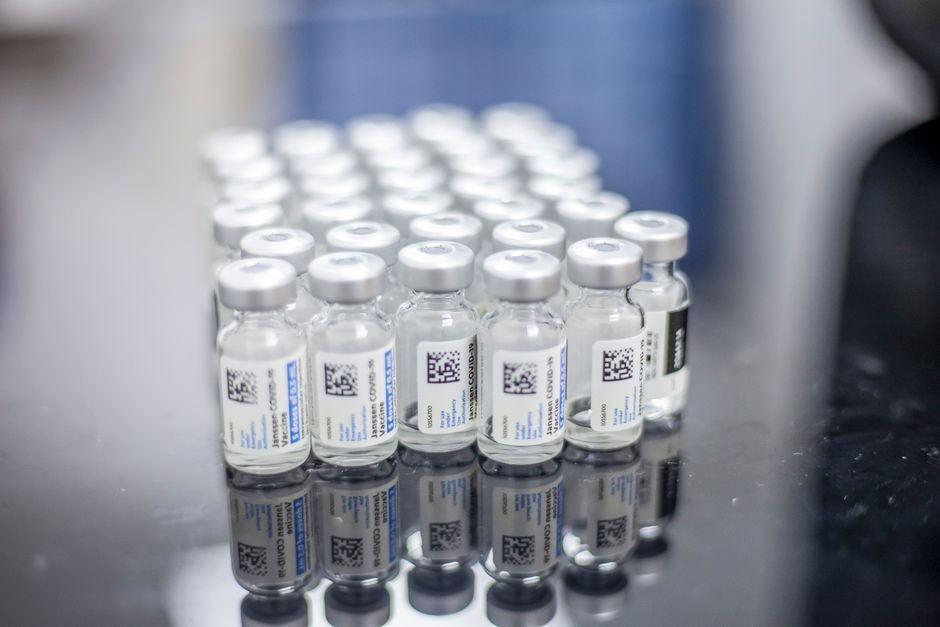
International travel to the Korean Peninsula sits at a crossroads of breakthrough medicine and heightened global health vigilance. In early June 2026, headlines around a world-first vaccine designed by artificial intelligence underscore how rapidly immunization science is evolving—and why travelers cannot rely on outdated advice from pre-pandemic guidebooks. Whether you are planning a Seoul city break, a Busan coastal itinerary, or a business trip through Incheon, understanding Korea vaccination requirements is no longer a footnote in your packing list. It is a gatekeeping document that can determine boarding approval, quarantine eligibility, and access to certain medical facilities.
Meanwhile, international health agencies are tracking three Ebola vaccines in development amid growing outbreak fears in Central Africa, where the spread in DR Congo has been described as deeply alarming. Although Ebola is not endemic to South Korea, the global ripple effect is real: airlines, immigration officers, and travel insurers are tightening health-screening protocols for passengers arriving from or transiting through affected regions. If your itinerary includes a layover in Nairobi, Kinshasa, or another hub with elevated surveillance, Korea’s entry health framework may apply additional scrutiny to your vaccination record—even when your final destination is purely touristic.

Who Needs What: Eligibility and Booking Conditions
South Korea’s vaccination requirements for inbound travelers generally fall into three tiers: routine immunizations recommended for all visitors, region-specific requirements tied to your departure country, and optional but strongly advised vaccines based on season and activity. Check eligibility in under 3 minutes using the guide below before you purchase non-refundable flights.
- Universal recommendations: Hepatitis A and B, tetanus-diphtheria boosters, and updated influenza vaccination are routinely advised for adults visiting urban Korea between spring and autumn.
- Country-of-origin triggers: Travelers arriving within 21 days of transit through Ebola-affected zones may be asked to present proof of medical clearance or undergo enhanced screening at designated ports of entry, reflecting the same international caution that recently led Kenya’s courts to suspend a planned US quarantine facility amid outbreak politics.
- Long-stay and study visas: Programs exceeding 90 days often require tuberculosis screening and documented measles-mumps-rubella (MMR) immunity, verified through a certified clinic record—not a handwritten card.
- Medical tourists: Patients booking elective procedures must upload vaccination history through the hospital’s pre-admission portal at least 14 days before the procedure date.
Eligibility for expedited health clearance at major airports—including Incheon’s automated immigration lanes—frequently depends on uploading a digitally verifiable immunization certificate. Paper-only records may still be accepted, but processing times lengthen during peak summer travel weeks.
Step-by-Step: How to Reserve, Pay, and Document Your Vaccinations
Demand for pre-travel immunization appointments surges whenever global headlines shift—from AI-designed vaccine milestones to Ebola recovery stories celebrating nurses returning to duty in outbreak zones. Book now before slots fill up at accredited travel clinics in your home country, ideally eight to ten weeks before departure.
- Step 1 — Audit your record: Gather every official immunization document, including COVID-19 primary series and any boosters. Cross-reference dates against Korea’s current validity windows on the Korea Disease Control and Prevention Agency traveler portal.
- Step 2 — Identify gaps: Use the interactive requirement map filtered by nationality and recent travel history. If you transited an Ebola-watch region, flag that immediately; clinics may recommend consultation before scheduling additional shots.
- Step 3 — Book accredited appointments: Reserve through WHO-listed travel medicine centers or hospital-affiliated clinics. Avoid pop-up vendors; Incheon immigration increasingly rejects non-certified documentation.
- Step 4 — Complete vaccinations and waiting periods: Some live vaccines require 28 days before another live vaccine can be administered. Plan sequential appointments accordingly.
- Step 5 — Obtain digital certification: Request QR-enabled International Certificate of Vaccination or Prophylaxis (ICVP) equivalents accepted by Korean e-gates. Pay clinic fees upfront; most centers accept card payment at booking with balance due on visit day.
- Step 6 — Upload before departure: Attach certificates to airline health portals and Korea’s Q-Code or successor pre-arrival system at least 72 hours before boarding.

Cancellation, Refunds, and Timeline Policies You Cannot Ignore
Travel clinic cancellation policies vary, but standard practice in 2026 allows free rescheduling up to 48 hours before injection appointments. Vaccine doses themselves are often non-refundable once vials are drawn, because cold-chain products cannot be restocked. If you cancel a multi-dose series mid-course, expect partial refunds only on unadministered visits—not on opened inventory.
Airline refund timelines tied to health documentation failures are stricter. Missing or expired vaccination proof typically voids medical exemption fare rules, leaving you with credit vouchers rather than cash refunds. Travel insurance riders covering “preventable documentation errors” remain rare; purchase policies that explicitly include epidemic-related trip disruption if your route passes through high-surveillance regions.
Processing timelines for corrected certificates after a clerical error average five to seven business days through most Western health departments—longer if manual translation into English or Korean is required. Build a two-week buffer before your earliest check-in deadline.
Peninsula Context: North-South Health Security and Traveler Implications
Reports in early June 2026 describing how Kim Jong-un has fortified North Korea highlight a divided peninsula where health infrastructure and vaccination policy diverge sharply. Leisure travelers to South Korea should not conflate the two systems: DPRK entry rules differ entirely and are subject to separate diplomatic channels. For South Korea-bound tourists, the relevant framework is KDCA guidance aligned with WHO standards—not headlines about northern military fortification, which nonetheless signal why regional health security remains politically sensitive and subject to sudden policy updates.

Warnings, Insider Tips, and Frequently Asked Questions
Verify your requirements today before your departure window closes. June travel coincides with both peak tourism and active global vaccine news cycles; clinics report 20–30 percent longer wait times when major health stories break.
- Insider tip: Morning appointments at Incheon-area international clinics on weekdays skip the weekend crush from transit passengers correcting last-minute paperwork.
- Warning: Social-media “vaccine shortcut” services advertising same-day certificates without injection are fraud schemes; Korean authorities have prosecuted document-forgery rings targeting expatriates.
- FAQ — Do I need a COVID-19 booster for Korea in 2026? Entry for most nationalities no longer mandates COVID-19 vaccination, but carriers and group tour operators may still require proof. Carry digital and paper copies.
- FAQ — Does the new AI-designed vaccine affect traveler requirements? Not directly for tourists today, but it signals Korea’s alignment with next-generation immunology. Expect faster updates to recommended vaccine lists as AI-accelerated candidates enter national formulary reviews.
- FAQ — I visited East Africa recently. Am I barred from entering? No automatic ban exists, but enhanced questioning and fever screening are likely. Carry a physician letter documenting your absence from outbreak zones and your vaccination status.
- FAQ — Are children subject to different rules? Yes. Minors need age-appropriate schedules; some school-exchange programs require additional meningococcal documentation.
Korea remains one of Asia’s safest destinations for medically prepared travelers, provided you treat vaccination requirements as a living checklist—not a one-time checkbox. Global headlines from AI breakthroughs to Ebola vaccine trials remind us that health borders move as quickly as news cycles. Act early, document meticulously, and you will arrive ready to enjoy Korea’s food, culture, and coastline without an preventable hold at the gate.


댓글
댓글 쓰기