What a Pain Management Physician Actually Checks on Your First Clinic Visit
What a Pain Management Physician Actually Checks on Your First Clinic Visit

If you have been living with back pain, nerve tingling, or joint stiffness that will not quit, you have probably started comparing clinics online and wondering whether your insurance will even cover a specialist. A friend asked me last month whether a pain management clinic was just a place that hands out pills. It is not — and in 2026, with hospitals like FV Hospital publicly aligning with global pain medicine awareness campaigns, the field has moved far beyond that old stereotype.
Pain Management Clinic — What a Physician Checks in Practice starts long before any injection or prescription. Your first visit is closer to detective work than a quick fix. Physicians map where pain lives, what makes it worse, and whether something structural, neurological, or inflammatory is driving it. That screening mindset matters whether you are browsing Korea health screening packages before relocating, or trying to understand a Korean health insurance guide for chronic care as an expat.
Before you book, it helps to know what the appointment will cost, what documents to bring, and how one clinic differs from another — the same comparison instinct that drives people to rank local providers, much like community lists of trusted clinics in cities from Midland to Seoul.
The Opening Conversation: History That Shapes Every Decision
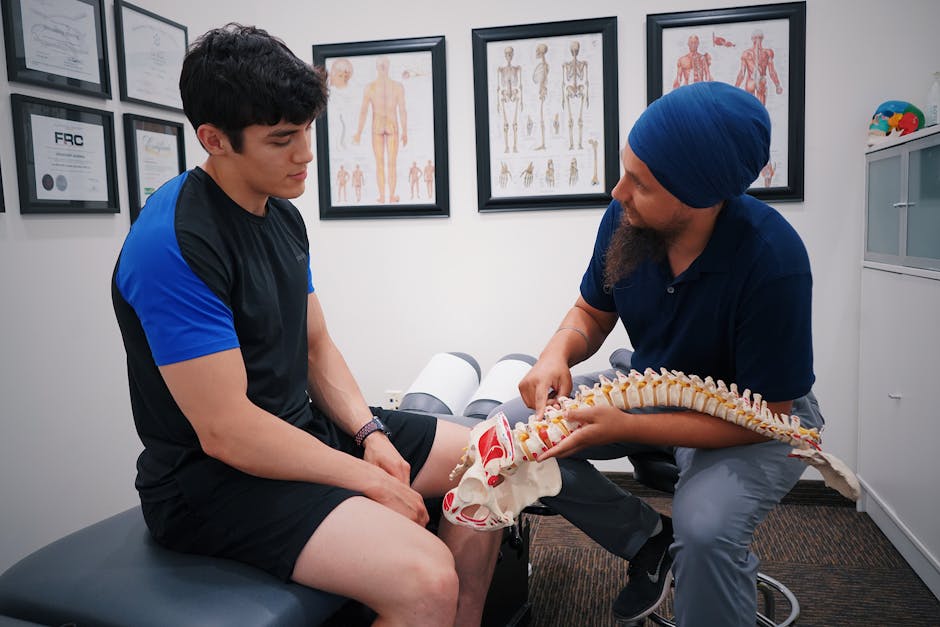
Your physician begins with a structured history, not small talk. Expect questions about when the pain started, whether it radiates down a leg or arm, and what you were doing when it flared. They will ask about prior surgeries, accidents, and treatments you already tried — physical therapy, over-the-counter relievers, prior injections.
For more on clinic co-pay fees, see our guide What Korea's National Health Insurance Actually Costs in 2026 — Fees, Coverage, and What You Pay at the Clinic.
I kept mixing up "sharp" and "burning" when describing my own shoulder issue until a clinician handed me a simple diagram to mark affected areas. That body chart is standard. It helps them spot patterns: dermatomal nerve paths, joint-specific limits, or pain that jumps sides (which can signal different causes).
- Onset and duration: sudden versus gradual, constant versus intermittent
- Aggravating and relieving factors: sitting, lifting, sleep position, heat, ice
- Red-flag symptoms: fever, unexplained weight loss, bowel or bladder changes, night pain that wakes you
- Functional impact: missed work, inability to climb stairs, mood changes
Red flags do not always mean emergency surgery, but they tell the physician whether imaging or labs should move up the queue.
Physical Exam: What Hands-On Assessment Reveals
After the history, the exam narrows the list. A pain management physician checks posture, gait, and range of motion in the painful region and nearby joints. Reflexes, sensation, and muscle strength testing help separate nerve compression from purely muscular strain.
Specialized maneuvers matter. A straight-leg raise can suggest sciatica. Spinal palpation locates tender segments. For neck or shoulder complaints, they may stress rotator cuff movements or cervical rotation. None of this replaces imaging, but it prevents unnecessary scans when the story and exam already align.
Common exam focus areas
- Neurologic screening: reflexes, light touch, pinprick sensation
- Orthopedic tests: joint stability, impingement signs, sacroiliac stress
- Functional tests: squat, heel walk, single-leg balance

Records, Imaging, and the Privacy Layer
Bring prior MRI or X-ray reports if you have them. Physicians compare old films to current symptoms — a disc bulge on a scan from three years ago may not explain today's foot drop. If records live in another hospital system, release forms speed things up.
Healthcare data breach statistics have climbed industry-wide in recent years, which is why reputable clinics explain how your chart is stored and who accesses it. Ask about patient portal security if that concerns you; a licensed practice should answer plainly.

When Labs or New Imaging Enter the Picture
Not every patient needs fresh scans on visit one. Physicians order imaging when exam findings and history suggest structural change, trauma, or progressive neurologic deficit. Blood work may appear when inflammation, infection, or metabolic conditions could mimic musculoskeletal pain.
Think of it as triage by evidence, not habit. That restraint can save you money — especially relevant if you are weighing medical expense deduction Korea rules or out-of-pocket caps under private supplemental plans abroad.

Treatment Planning: More Than Medication
By the end of the first visit, a qualified physician outlines a tiered plan. Options often include physical therapy referrals, targeted injections, nerve blocks, behavioral strategies for chronic pain, and carefully monitored medication when appropriate. Multimodal care is the norm in 2026, reflecting the same interdisciplinary spirit highlighted during global regional anaesthesia and pain medicine awareness events.
Medication discussions should cover benefits, risks, and monitoring — not headlines about unrelated drug safety debates. Decisions belong to your clinical picture, your allergies, and your goals for returning to work or daily activity.

Costs, Coverage, and Choosing Between Clinics
Fees vary by country, setting, and whether the physician is in-network. A hospital-affiliated pain center may bundle consult plus procedure coding differently than a standalone clinic. Before you commit, confirm copays, prior authorization requirements, and whether follow-up injections are priced separately.
| Factor | Hospital pain center | Independent clinic |
|---|---|---|
| Typical first consult | Higher facility fee, broader imaging on-site | Often lower consult fee; imaging outsourced |
| Wait times | Longer for non-urgent new patients | Varies; may be faster for injections |
| Best fit when | Complex surgical history or multiple specialists needed | Focused injection therapy or established diagnosis |
For chronic care Korea expats, verify that the clinic accepts your insurer and that prescriptions meet local pharmacy rules. Expat forums often share real wait-time notes — useful, but always cross-check credentials yourself.

Verify Credentials Before You Trust Anyone
Pain management sits at the intersection of anaesthesiology, physiatry, neurology, and sometimes orthopedics. Confirm board certification and active licensure in your jurisdiction. Regulatory bodies continue to publish warnings about individuals practicing without valid licenses — a reminder that clinic marketing and medical authority are not the same thing.
Quality rankings, from children's hospital lists to local "best clinic" surveys, can hint at reputation, but your fit depends on whether the physician treats your specific condition weekly.

Questions Patients Forget to Ask
Write these down before you go:
- What diagnosis are you working toward today, and what would change that view?
- If injections are suggested, how many sessions are typical and what is the success rate for my problem?
- Who handles refills, flare-ups, and after-hours concerns?
- What non-opioid options will we try first?
Good clinics welcome these questions. Evasive answers are a signal to compare elsewhere.
Quick Summary: Your First Pain Clinic Visit at a Glance
- Physicians start with detailed history and red-flag screening before recommending scans or procedures.
- The physical exam tests nerves, joints, and movement patterns to narrow likely causes.
- Bring prior imaging and medication lists; ask how your records are protected amid rising healthcare data risks.
- Compare hospital-based centers and independent clinics on fees, wait times, and whether your insurance requires prior authorization.
- Confirm board certification and licensure — regulatory alerts in 2026 still flag unqualified providers in pain-related fields.
Frequently Asked Questions
- How do copays and deductibles stack for Pain Management Clinic — What a Physician Checks in Pra? Map in-network allowed amounts, out-of-pocket max, and whether referrals are required for specialists.
- What should I verify first in “The Opening Conversation: History That Shapes Every Decision”? For Pain Management Clinic — What a Physician Checks in Pra, treat “The Opening Conversation: History That Shapes Every Decision” as a checklist: confirm eligibility, total cost, and deadlines in writing, and drop options that do not fit your budget or timeline.
- What should I verify first in “Physical Exam: What Hands-On Assessment Reveals”? For Pain Management Clinic — What a Physician Checks in Pra, treat “Physical Exam: What Hands-On Assessment Reveals” as a checklist: confirm eligibility, total cost, and deadlines in writing, and drop options that do not fit your budget or timeline.
- What should I verify first in “Records, Imaging, and the Privacy Layer”? For Pain Management Clinic — What a Physician Checks in Pra, treat “Records, Imaging, and the Privacy Layer” as a checklist: confirm eligibility, total cost, and deadlines in writing, and drop options that do not fit your budget or timeline.
- What should I verify first in “When Labs or New Imaging Enter the Picture”? For Pain Management Clinic — What a Physician Checks in Pra, treat “When Labs or New Imaging Enter the Picture” as a checklist: confirm eligibility, total cost, and deadlines in writing, and drop options that do not fit your budget or timeline.
- Why do Pain Management Clinic — What a Physician Checks in Pra quotes differ so much? Providers weight credit, term, fees, and discounts differently — align quotes on the same assumptions before comparing.
- What paperwork speeds up Pain Management Clinic — What a Physician Checks in Pra approval? IDs, income proof, existing contracts, and bank history reduce back-and-forth and help fix denial reasons faster.
Putting It Together for Your Next Step
Pain Management Clinic — What a Physician Checks in Practice boils down to evidence, safety, and a plan you can follow. The best first visits feel thorough rather than rushed: clear exam, honest discussion of costs, and realistic timelines for relief. Whether you are scheduling locally or researching options after reviewing a Korean health insurance guide, the same standards apply.
If you are still deciding between providers, gather one page of notes from each consult — diagnosis hypothesis, proposed treatments, and estimated out-of-pocket cost. That side-by-side view turns anxiety into an informed choice, and it is the simplest way to find care that matches both your body and your budget.


Comments
Post a Comment