Smart Home IoT in Korea: What Connected Living Looks Like in 2026
Smart Home IoT in Korea: What Connected Living Looks Like in 2026

If you are researching smart home IoT Korea before you move, visit, or upgrade your apartment, the first practical question is rarely which light bulb to buy. It is whether your phone, your router, and your carrier plan can keep dozens of devices online without lag or surprise bills. I kept mixing up travel data with household broadband until a friend asked me whether an eSIM would even matter once they landed in Seoul with a suitcase full of sensors. That comparison mindset helps: a Korea eSIM travel guide gets you connected on arrival, but a Korea 5G plan comparison is what keeps your hub, cameras, and voice assistant stable after you unpack.
Connectivity is the hidden foundation of every smart home stack. Samsung SmartThings, SK Telecom bundles, and third-party hubs all assume reliable upload speeds for cloud clips, firmware updates, and remote access. Before you browse device catalogs, sketch what you need monthly: video doorbells, climate sensors, maybe a connected car link. Then line that against Seoul internet deals and home fiber options so you are not paying for gigabit downstream while your upload cap strangles security cameras.
Why Korea Became a Smart Home Test Bed
South Korea did not stumble into connected living. Dense urban housing, early 5G rollout, and electronics giants on home soil created an ecosystem where IoT is infrastructure, not a novelty gadget aisle. Expressway IoT networks show the same philosophy at national scale: sensors embedded in public systems, not just living rooms. That backbone matters when your thermostat talks to the grid or when traffic data feeds back into navigation apps you already use.
Walk through a modern Korean apartment showroom and the pattern repeats. Lights dim by schedule, air quality triggers purifiers, and wall panels replace a pile of remotes. A Korea Herald-era walkthrough from years ago already previewed this; today the difference is AI layers sitting on top of raw connectivity. Devices guess routines instead of waiting for tap-by-tap commands.
Samsung SmartThings and the Appliance Layer
Samsung remains the gravitational center for many households. SmartThings acts as the translation layer between brands, and recent partnerships widen what counts as "home." Samsung teamed with Ashley to expand SmartThings into furniture and lifestyle categories, so your sofa or bed frame is no longer off-limits for automation triggers. That sounds cosmetic until you realize presence, sleep, and comfort data can orchestrate lighting and HVAC without a dozen separate apps.
For more on Home workout Korea, see our guide Home Workout Korea: Beauty & Fitness Guide for Global Readers Comparing Seoul Gym Costs and Skincare Results in 2026.
SK Telecom joined Samsung's AI-based smart home appliance network years ago, and the thread still runs through today's bundles. Carrier plus OEM integration means provisioning can happen at purchase: activate a fridge, register it on the network, and inherit voice control from an AI assistant service SKT launched to manage household queries. Korea AI subscription services increasingly wrap these features into monthly plans rather than one-off app purchases.
When Your Car Becomes Part of the House
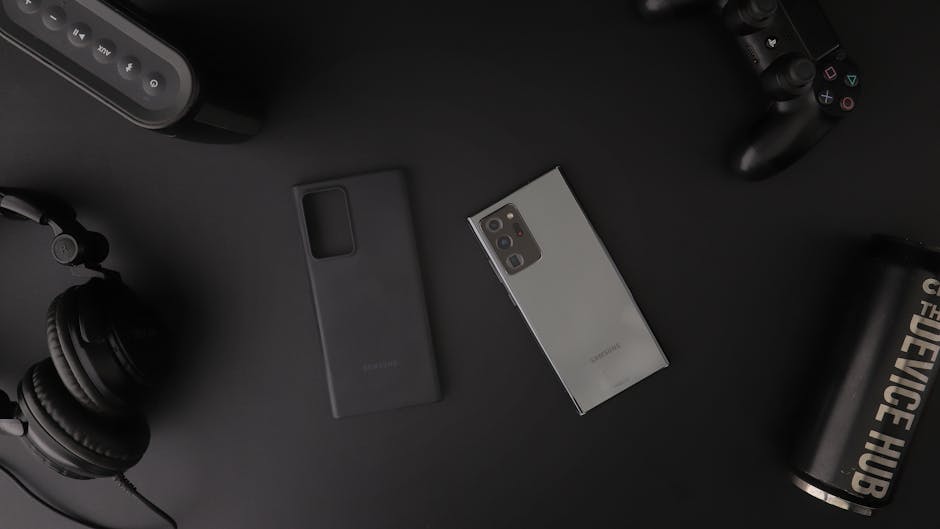
The Samsung and Hyundai partnership to link smart homes and cars via IoT is the headline trend worth watching in 2026. Instead of treating your EV or SUV as a separate gadget, geofencing can pre-cool the apartment, raise the gate, or switch the home to away mode when you leave the driveway. For international readers used to siloed automotive apps, Korea's push toward unified identity across home and mobility feels like the next logical step after phone-centric control.
Does every renter need this on day one? Probably not. But if you already pay for connected parking, battery monitoring, or factory telematics, the incremental value of home-car handoff is easier to justify than buying another standalone hub.

SK Telecom's Evolving Smart Home Packages
SK Telecom has upgraded its smart home offering multiple times, moving from basic remote monitoring toward AI-assisted management. Expect tiered bundles: entry packages with a hub and a few sensors, mid tiers with security and energy dashboards, and upper tiers that fold in cloud storage for camera history. Cloud storage Korea plans deserve a side-by-side read, because retention length and per-camera fees vary more than the marketing slides suggest.
Upload speed sits at the center of those bundles. A Korea 5G plan comparison for mobile backup is useful when fiber fails, but primary home IoT should sit on wired broadband with consistent upstream. Video events, not download speed tests, are what expose weak plans.
Sensors, Boards, and the Hardware You Never See
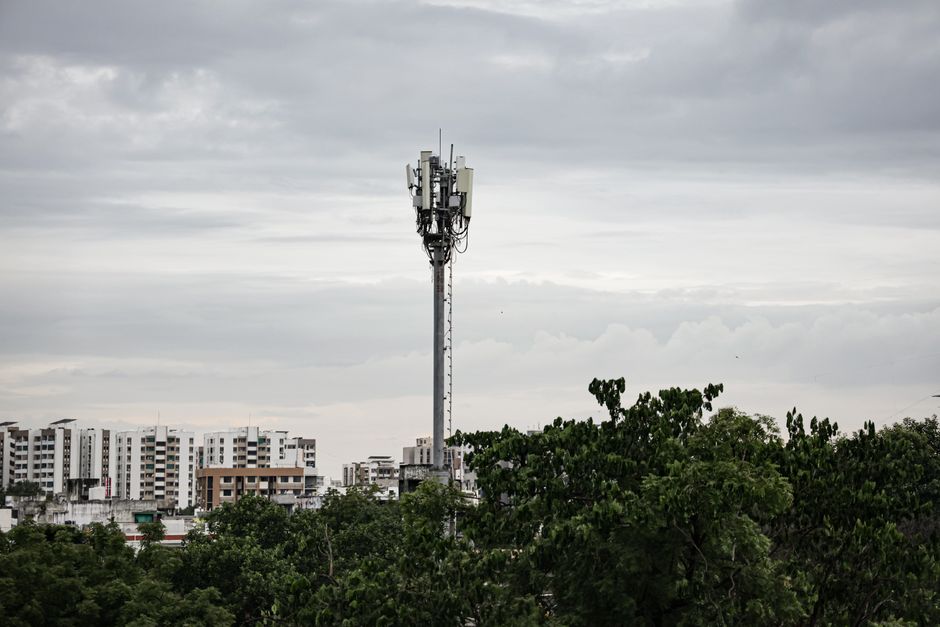
Behind slick speakers and thin TVs, printed circuit board manufacturing growth continues to shape what devices cost and how fast new SKUs appear. More capacity in electronics manufacturing generally means cheaper modules for door sensors, leak detectors, and mesh repeaters. You will never shop for a PCB, yet that supply chain is why budget brands can undercut flagship hubs while still speaking the same wireless protocols.
IoT also shows up in unexpected verticals. Sensor networks monitoring aquaculture operations prove the same chip economies scale from fish farms to factory floors. The lesson for home buyers is simpler: prioritize interoperable standards over logo loyalty, because the underlying sensor economics reward platforms that accept third-party hardware.

Setting Up Without Getting Lost in Apps
Start with one room and one outcome—usually security or lighting—then expand. Register devices on a single hub app before you scatter vendor logins. If you are visiting short term, lean on portable hubs and Wi-Fi you control; if you are leasing long term, confirm what landlords allow for doorbell cameras and wall switches.
International setup often means dual-SIM phones during the first week while you finalize a local plan. Treat that window as a trial: stream live camera feeds at peak hours, run a voice assistant routine, and push a firmware update. Any stutter you notice in seven days will annoy you for seven months.

Privacy, Standards, and What to Ask Before You Buy
Connected homes generate continuous telemetry. Ask where video is processed—edge device versus cloud—and whether you can export or delete history. Matter and Thread compatibility reduce lock-in, but Korean carriers and OEMs still bundle exclusive features that break when you switch providers.
AI assistants that manage appliances sound convenient until ambiguous commands trigger the wrong device. Spend time naming rooms clearly and testing fail-safes for door locks and water valves. Redundancy beats clever automation when you are halfway around the world checking whether you left the heat on.

Quick Summary: Smart Home IoT Korea Essentials
- Start with connectivity: Compare fiber and mobile fallback options before buying hardware; smart homes fail on upload limits, not flashy specs.
- Platform choice matters: Samsung SmartThings and SK Telecom integrations dominate, with AI services and furniture partnerships expanding what "home" includes.
- Home and car convergence is real: Samsung-Hyundai IoT links point to geofenced routines that span driveway and living room.
- Bundles beat piecemeal apps: Carrier smart home tiers often bundle cloud storage and security; read retention and camera fees closely.
- Standards reduce regret: Favor interoperable sensors and document privacy settings before scaling room by room.
Where to Go Next With Telecom and Cloud Tools
Once your baseline works—lights, one camera, maybe a climate sensor—you will naturally drift toward optimization: stronger routers, segmented guest networks, and archival storage for clips you actually need. That is a good moment to browse Seoul internet deals again and see whether a modest speed upgrade costs less than adding another mobile line. If you travel often, keep a short list of eSIM and local plan options so your home hub stays reachable while you are abroad without paying roaming premiums.
Smart home IoT Korea is less about owning the most devices and more about stitching together carrier plans, cloud retention, and platforms that still talk to each other after the next firmware cycle. Take a week to stress-test connectivity, then add automation in layers. The homes that feel effortless on move-in day are usually the ones where someone compared plans, storage, and standards before the first box arrived.


Comments
Post a Comment