Korean Pharmacy Guide for Tourists: OTC Medicines, K-Beauty Essentials, and Smart Shopping in 2026
Why Korean Pharmacies Matter More Than Ever for International Travelers
Walk into any neighborhood 약국 (yak-guk) in Seoul, Busan, or Jeju and you will find something that global health and beauty headlines have been circling for months: pharmacy-grade products that blur the line between medicine cabinet and skincare vanity. As French pharmacy skincare continues to dominate international beauty conversations in 2026, South Korea offers a parallel universe of pharmacist-supervised products, often at lower prices and with formulations tuned to humid summers and pollution-heavy urban commutes. For tourists arriving with jet lag, seasonal allergies, or a sudden need for sunburn relief, understanding how Korean pharmacies work is not a luxury—it is practical travel medicine.
The timing matters. Global supply shortages have deepened across multiple industries in 2026, threatening everything from manufacturing jobs to consumer access. Pharmacy shelves worldwide have felt the squeeze on certain active ingredients and packaging materials. Korea's dense pharmacy network—often one on every major block—means tourists frequently find better stock availability than in countries where a single chain controls regional distribution. That resilience makes a pharmacy stop one of the smartest health decisions you can make on day one of your trip.

What Tourists Can Actually Buy: Eligibility and Restrictions
Unlike hospital prescriptions, most items tourists want fall into over-the-counter (OTC) categories. International visitors are generally eligible to purchase these without a Korean national ID, though pharmacists may ask clarifying questions about symptoms, age, and pregnancy status before dispensing certain products.
Check eligibility in under 3 minutes using the guide below before you queue at a busy Myeongdong or Hongdae location.
- Freely available OTC: Pain relievers (acetaminophen and ibuprofen equivalents), antacids, motion sickness tablets, adhesive bandages, cooling patches for muscle soreness, SPF sunscreens, lip balms, and most sheet masks.
- Pharmacist consultation required: Stronger cold and flu combinations, certain digestive medicines, low-dose sleep aids, and some medicated acne treatments containing higher concentrations of active ingredients.
- Prescription-only (not for casual tourist purchase): Antibiotics, controlled pain medications, ADHD stimulants, and most hormone therapies. Do not expect a walk-in prescription transfer from your home country without a Korean-licensed physician visit.
- Restricted or prohibited for export: Some traditional herbal concentrates and large quantities of pseudoephedrine-containing products may trigger customs scrutiny. Buy only what you need for personal use during your stay plus a modest surplus.
Tourists carrying existing prescriptions from home should bring the original bottle, a doctor's note in English, and a translation app ready. Korean pharmacists are helpful but cannot legally substitute a foreign prescription for a local one without proper documentation.
The Collagen and K-Beauty Reality Check
International health media has spent considerable ink debating whether collagen supplements deliver perfect skin or are mostly marketing hype. Korean pharmacies sit squarely in the middle of that conversation. You will find drinkable collagen, peptide ampoules, and dermatologist-branded creams side by side—but the pharmacist on duty is often your best filter. Ask directly: Is this a cosmetic or a functional food? Korean labeling distinguishes these categories more strictly than many tourists expect. Functional foods may carry health claims; cosmetics may not, even when packaging looks nearly identical.
The parallel to French pharmacy skincare hype is instructive. Just as global travelers now plan Paris detours around Bioderma and Avène counters, Korea rewards preparation. The difference is volume and speed: Korean pharmacies rotate K-beauty collaborations rapidly, and limited seasonal lines sell out within weeks—especially before summer festival season when demand spikes.

Step-by-Step: How to Shop a Korean Pharmacy Like a Local
Book now before slots fill up at airport-adjacent pharmacy chains if you are arriving late and need immediate essentials—Incheon Terminal locations see surges after long-haul arrivals.
- Step 1 — Locate the right store: Search "약국" on Naver Map or KakaoMap. Green cross signage is universal. Chain brands like Olive Young adjacent stores are cosmetics retailers, not pharmacies—know the difference before you walk in.
- Step 2 — Take a number or queue: Smaller pharmacies use a simple line; busier urban locations may have a ticket system. Wait near the counter, not the sunscreen aisle, so the pharmacist can see you.
- Step 3 — Describe symptoms, not brand names: Say "headache," "period cramps," "hangover nausea," or "insect bite swelling." Pharmacists will recommend Korean equivalents of familiar molecules. Show a photo of your usual product if language fails.
- Step 4 — Confirm dosage and timing: Ask how many tablets per day and whether to take with food. Many Korean cold medicines combine several actives; doubling up with something from your hotel minibar can cause overdose risks.
- Step 5 — Payment: Major credit cards (Visa, Mastercard) are accepted at nearly all urban pharmacies. Some small neighborhood shops prefer cash or Korean mobile pay; carry at least 20,000 KRW as backup. Tax-free tourist refund counters exist at select large locations—ask "tax free?" and present your passport before payment if eligible.
- Step 6 — Request a bag and receipt: Keep receipts for hotel reimbursement, insurance claims, or customs questions. Photograph the Korean product name for reference if you want to repurchase online later.

Online Orders, Reservations, and Delivery for Tourists
Several Korean pharmacy chains now offer app-based ordering with same-day delivery to hotels. Tourist eligibility typically requires a Korean phone number or hotel front-desk cooperation for receipt. Reservation windows for pharmacist consultations at flagship health-beauty hybrid stores—particularly in Gangnam—can fill 48 to 72 hours ahead during peak tourism months.
Check eligibility in under 3 minutes using the guide below for app-based purchases: most platforms demand local verification you may not have. If you lack a Korean SIM, in-person shopping remains the reliable path.
- Reservation process: Select a time slot via the chain's app or website, choose consultation type (skin concern, OTC symptom check, or travel kit assembly), and receive a confirmation code by SMS.
- Payment: Prepay online with international cards where supported; otherwise pay on pickup at the pharmacy counter.
- Hotel delivery cutoff: Orders before 2 p.m. often arrive same evening in Seoul; Jeju and rural areas may require an extra day.

Cancellation, Refund, and Timeline Policies
Understanding refund rules prevents costly mistakes, especially for sealed health products.
- Unopened OTC medicines: Many chains allow refund within 7 days with receipt, but opened blister packs are non-refundable under Korean pharmaceutical retail standards.
- Cosmetics and devices: Unopened items commonly qualify for 14-day exchange; opened skincare is rarely refundable unless defective.
- Consultation reservations: Cancel at least 24 hours before your slot for a full fee refund; same-day cancellations forfeit the consultation charge, typically 10,000 to 30,000 KRW.
- Delivery orders: Refuse delivery of damaged goods within 24 hours and photograph the package for the pharmacy's customer service line.
- Refund timeline: Card reversals process in 3 to 10 business days; cash refunds are immediate at the original purchase location only.
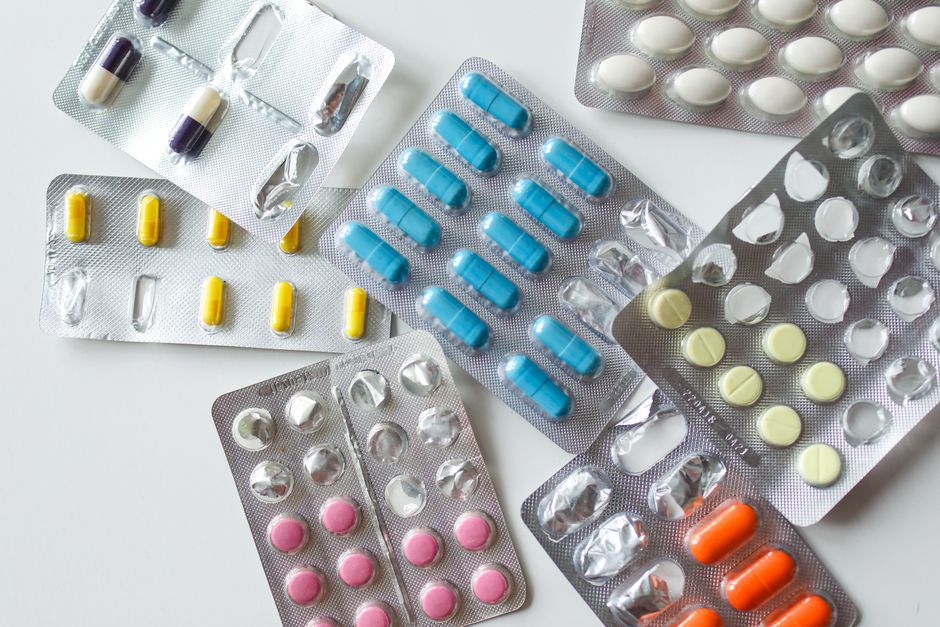
Essential Product Categories Worth Your Luggage Space
Prioritize items that solve travel-specific problems and are genuinely pharmacist-recommended rather than influencer-hyped.
- Sun protection: Korean SPF formulations often use advanced filters not yet approved in the EU or US; buy for use in Korea, but verify import rules before flying home.
- Cooling and patch therapies: Menthol pain patches and fever cooling sheets are traveler favorites after long hiking days on Jeju or DMZ tours.
- Digestive support: Probiotic drinks and hangover relief packets are stocked prominently; ask for non-alcohol-interacting options if you take daily medications.
- Medicated skincare: Centella-based recovery creams and low-pH cleansers bridge the gap between the cosmetic counter and actual dermal repair—particularly after outdoor activities that BBC-featured wellness reporting has linked to mood and skin recovery through nature exposure.
Warnings Every International Visitor Should Read First
- Do not mix blindly with home medications: Duplicate acetaminophen across cold syrup and pain pills is a common overdose pathway.
- Allergy disclosure: State penicillin, aspirin, or shellfish-derived glucosamine allergies clearly; write them on your phone in Korean if possible.
- Supply shortage awareness: If a specific imported brand is unavailable due to global logistics delays, accept pharmacist-suggested Korean equivalents rather than leaving untreated.
- Counterfeit risk: Shop only licensed pharmacies with illuminated green crosses; street market "pharmacy" stalls near tourist corridors sell unverified goods.
- Insurance documentation: Retain itemized receipts; travel medical insurance may reimburse OTC purchases tied to documented illness.
Insider Tips From a Commerce and Health Perspective
Visit pharmacies before 11 a.m. when English-speaking staff overlap is highest at tourist-zone locations. Weekday mornings beat weekend afternoons for stock depth. If you are comparing global pharmacy beauty trends, Korean stores reward curiosity: ask for pharmacist's own pick rather than bestseller displays, which often reflect marketing budgets—not clinical preference. Carry a reusable tote; pharmacies charge for bags, and bulky sunscreen bottles add up fast. For loneliness or travel stress—a topic increasingly discussed in global wellness coverage—a pharmacist can point you toward mild herbal sleep teas that are gentler than pharmaceutical sedatives, though they are not substitutes for professional mental health care abroad.
Frequently Asked Questions
Can I buy antibiotics without a Korean doctor visit? No. Antibiotics require a prescription issued within Korea's medical system.
Will my US or EU health insurance cover Korean pharmacy purchases? Usually only with a contemporaneous doctor visit and claim form; OTC items are rarely covered unless your policy explicitly includes travel pharmacy reimbursement.
Are Korean pharmacy prices cheaper than duty-free airport shops? Often yes for domestic brands and OTC medicines; airport duty-free wins on select imported luxury skincare bundles. Compare unit prices, not display packaging.
Do pharmacists speak English? In major tourist districts, basic English is common. Use translation apps and symptom photos everywhere else.
Can I mail products home? Postal rules vary by destination country; aerosol sunscreens and liquid volumes face strict airline and customs limits. Pack in checked luggage when permitted.

Your Action Plan Before Tonight's Itinerary
Global travelers in 2026 face a dual reality: pharmacy culture is having a moment from Paris to Seoul, yet supply chains remain fragile enough that waiting until you feel sick is a gamble. Map the nearest licensed pharmacy to your accommodation now, list three symptoms you are most likely to encounter on your trip, and set aside one unrushed morning to shop with a pharmacist rather than grabbing the first neon-packaged item from a convenience store. Book now before slots fill up for any consultation-enabled flagship store on your route, and walk in knowing eligibility rules, payment options, and refund boundaries. The fifteen minutes you spend reading labels with a professional will outperform any impulse purchase shaped by marketing hype—and it may be the most valuable health investment of your entire Korea journey.


댓글
댓글 쓰기