Dog ACL Surgery Cost: What Vets Charge, What Insurance Covers, and Mistakes That Raise Your Bill
Dog ACL Surgery Cost: What Vets Charge, What Insurance Covers, and Mistakes That Raise Your Bill

If your dog started limping after a sharp turn at the park, you are probably already searching for numbers before you even have a diagnosis. That is a sensible instinct. An anterior cruciate ligament tear is one of the most common orthopedic emergencies in dogs, and the price tag can feel as painful as the injury itself. Recent industry summaries put typical surgical bills between $1,500 and $5,000 in the United States, though your final total depends heavily on where you live, how big your dog is, and which procedure your surgeon recommends.
Pet ownership keeps climbing globally — Forbes reported fresh ownership statistics in June 2026 showing more households treating dogs as full family members. That shift matters here because families are willing to pay for advanced care, but few budget for a sudden four-figure knee repair. Before you commit to a quote from the first clinic that picks up the phone, compare diagnostics, surgical technique, and post-operative support. The gap between a reasonable bill and an avoidable overspend often comes down to details owners skim past.
I kept mixing up "ACL" and "CCL" when my own retriever went lame — veterinarians use both terms for the same knee ligament in dogs. Once the vocabulary clicks, the rest of the decision tree gets easier.
What a Torn ACL Means for Your Dog
Side-by-Side Comparison: Dog ACL Surgery Cost
| Factor | What to Compare | Why It Matters |
|---|---|---|
| Price / cost | Upfront and recurring fees | Get 2–3 quotes in writing |
| Terms | Contract length, cancellation | Avoid auto-renew traps |
| Fit | Matches your situation | Skip bundled extras you will not use |
The cranial cruciate ligament stabilizes the knee during weight-bearing. When it ruptures partially or fully, the joint becomes unstable. You may notice toe-touching lameness, stiffness after rest, or a subtle hop on the affected leg. Some dogs injure the ligament during play; others develop gradual degeneration that finally gives way during ordinary activity.
Not every limp requires surgery immediately. Conservative management — rest, anti-inflammatory medication, weight control — can help small dogs or low-activity pets. Larger, athletic breeds rarely stabilize without surgical repair. A board-certified surgeon or an experienced general practitioner will grade the instability and discuss whether delaying repair risks permanent cartilage damage.
Where the Money Goes: A Realistic Cost Breakdown
Clinic websites rarely show one flat fee because dog ACL surgery cost is really a bundle of line items. Treat the estimate as a menu, not a single number.
- Initial exam and imaging: $200–$800 for radiographs; advanced clinics may recommend CT or MRI for complex cases.
- Pre-anesthetic bloodwork: $100–$250 to screen organ function before anesthesia.
- Surgery itself: $1,200–$4,500 depending on technique and surgeon credentials.
- Hospitalization: $150–$500 per night if overnight monitoring is required.
- Take-home medications: $75–$200 for pain control and antibiotics.
- Follow-up visits: $50–$150 each; most protocols need two to four rechecks in the first three months.
A friend asked me whether the low end of that range meant "cutting corners." Not necessarily. A general practice performing a lateral suture on a medium-sized dog in a lower-cost region may land near $1,500 with clean outcomes. A TPLO at a specialty hospital in a major city can exceed $5,000 without anyone doing anything wrong — geography and equipment carry real weight.
Surgical Techniques and How They Compare
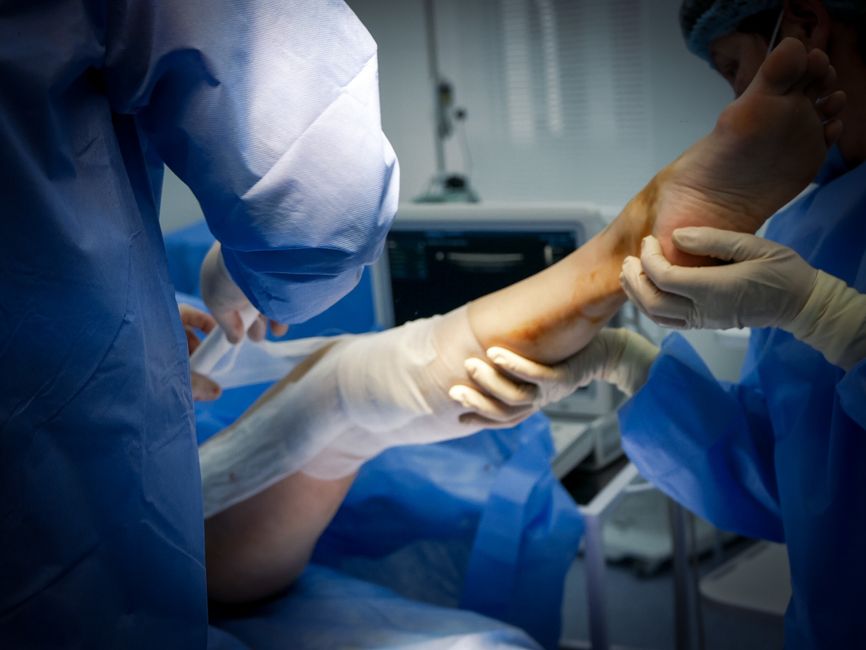
Veterinarians choose from several established procedures based on your dog's size, activity level, age, and joint anatomy. Understanding the options helps you ask sharper questions when quotes differ by thousands of dollars.
Lateral fabellar suture (extracapsular repair): Often recommended for dogs under roughly 40 pounds. Simpler hardware, shorter surgery time, lower price. Trade-off: higher re-injury risk in very active or heavy dogs.
TPLO (tibial plateau leveling osteotomy): Gold standard for many medium and large breeds. The surgeon cuts and rotates the tibia to change joint mechanics. Higher skill requirement, longer recovery, premium pricing — commonly $3,000–$5,000 all-in at specialty centers.
TTA and TTO variants: Similar philosophy to TPLO with different bone cuts. Costs usually track TPLO closely. Your surgeon's comfort with a specific method often matters more than brand-name procedure debates online.
Ask each clinic which technique they recommend for your dog and why a cheaper or more expensive alternative was ruled out. That single conversation prevents a lot of second-opinion confusion later.
Pre-Surgical Diagnostics Owners Underestimate
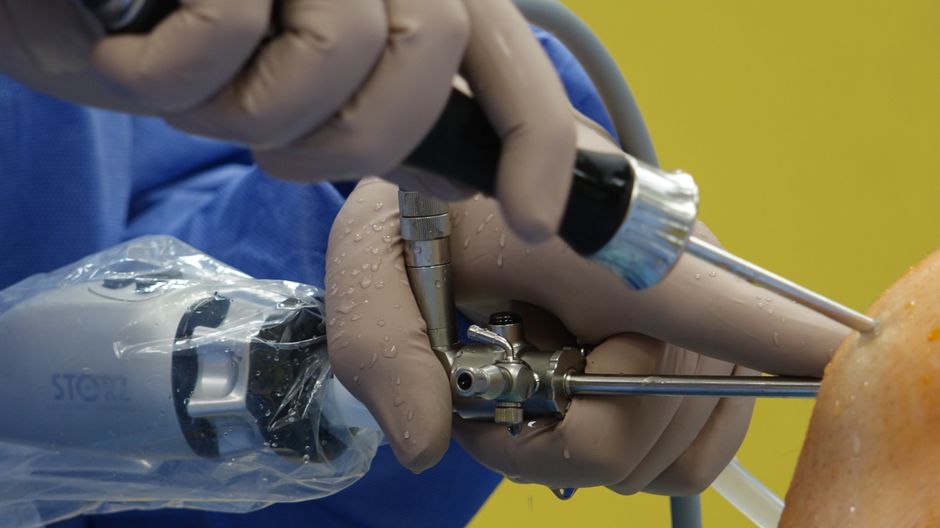
Data-driven vet cost research published in 2026 consistently flags diagnostics as the most overlooked slice of orthopedic bills. Skipping proper staging does not save money — it shifts risk downstream.
- Bilateral knee radiographs reveal arthritis, bone fragments, or a concurrent tear in the opposite leg — roughly 40–60% of dogs eventually injure both knees.
- Drawer sign and tibial thrust tests during sedation give objective instability grades.
- Joint tap when infection is suspected — rare, but missing it turns a routine repair into a crisis.
If a clinic quotes surgery without reviewing films, treat that as a yellow flag. Reputable teams want imaging before they lock in a surgical plan.
Common Mistakes That Quietly Inflate Your Bill
Even caring owners stumble into patterns that veterinary forums see every week. A few stand out because they are entirely preventable.
Waiting too long while hoping rest fixes a complete tear. Chronic instability wears cartilage and can turn a straightforward ACL repair into a joint that also needs meniscus cleanup — adding $500–$1,500 and extending recovery.
Ignoring body condition. Overweight dogs heal slower and stress the repaired knee. A nutrition consult costs far less than a revision surgery.
Choosing surgery based on price alone. The cheapest quote may omit physical therapy, recheck X-rays, or adequate pain management. Read what is excluded.
Skipping restricted activity during recovery. TikTok recovery threads in 2026 are full of owners sharing creative confinement setups — baby gates, harness lifts, non-slip mats — because re-injury during weeks eight through twelve is depressingly common when dogs are allowed back on sofas too soon.
Declining pet insurance before an injury, then scrambling afterward. ACL tears are frequently classified as orthopedic conditions; few policies cover them if you enroll after symptoms appear.

Pet Insurance and International Cost Context
In North America and much of Europe, comprehensive pet insurance can reimburse 70–90% of eligible surgical costs after deductibles, though annual caps and waiting periods vary widely. Trupanion, Healthy Paws, and regional carriers all handle cruciate claims differently — some impose bilateral waiting periods, others exclude the second knee if the first was pre-existing.
Expats and residents comparing pet insurance Korea options face a thinner market than in the U.S., but major insurers have expanded accident-and-illness riders that partially offset specialist orthopedic fees. Veterinary costs Korea for TPLO-class procedures at Seoul referral hospitals often run ₩3–6 million depending on implant brand and hospital tier — still substantial, yet sometimes lower than coastal U.S. specialty quotes when currency is favorable. Always confirm whether your policy covers imported implant systems and post-op physiotherapy sessions, which some Seoul clinics now bundle.
If you are weighing dog adoption cost Seoul against long-term health budgeting, factor orthopedic risk by breed. Retrievers, bulldogs, and terrier mixes appear disproportionately in cruciate case logs worldwide.

Hidden Recovery Expenses Worth Budgeting
Surgery day is not the finish line. Owners who plan only for the operating room frequently hit cash-flow surprises six weeks in.
- Physical rehabilitation: $40–$100 per session; eight to twelve sessions is typical for TPLO patients.
- Support gear: harnesses, orthopedic beds, joint supplements — $100–$300 upfront.
- Opposite-leg monitoring: prophylactic bracing or early intervention if the second knee shows laxity.
- Lost work time for transport and supervision during strict rest phases.
Clinics that publish transparent post-op packages — meds, rechecks, and rehab referrals in one figure — deserve extra consideration when you are comparing total ownership cost, not just the headline surgical fee.

Quick Summary: Dog ACL Surgery Costs and Smart Planning
- All-in surgical totals commonly range from $1,500 to $5,000 globally, with TPLO and specialty hospitals at the upper end.
- Your bill includes diagnostics, anesthesia labs, hospitalization, medications, and follow-ups — not just the procedure itself.
- Technique choice (lateral suture vs. TPLO/TTA) should match your dog's size and lifestyle, not internet trends.
- Common costly errors include delayed treatment, poor weight management, and inadequate post-op activity restriction.
- Pet insurance helps only when enrolled before symptoms; compare policy waiting periods and bilateral knee clauses carefully.
Frequently Asked Questions
- How do I compare Dog ACL Surgery Cost costs fairly? Request 2–3 written quotes using the same term length, coverage tier, and fee schedule.
- What should I verify before signing? Cancellation windows, renewal rules, penalties, and eligibility requirements in the contract.
- How long does approval or setup usually take? Timelines vary by provider and paperwork — confirm in writing before you pay.
- How do I pick the right option for my situation? Filter by budget, timeline, and risk tolerance — drop add-ons you will not use.
Moving Forward Without Sticker Shock
Start with an orthopedic consult, request an itemized written estimate, and get a second opinion if the recommended technique or price feels out of line with your dog's profile. Gather imaging, ask about complication rates at that specific clinic, and clarify what happens if meniscus damage appears mid-surgery — those scenarios belong in your financial plan.
When you are ready to compare carriers, rehabilitation providers, or specialty surgeons in your area, treat it the same way you would any major household expense: line items, timelines, and realistic recovery logistics. Your dog's knee will heal best when your budget is informed rather than reactive — and that preparation starts long before anyone scrubs in for surgery.


Comments
Post a Comment